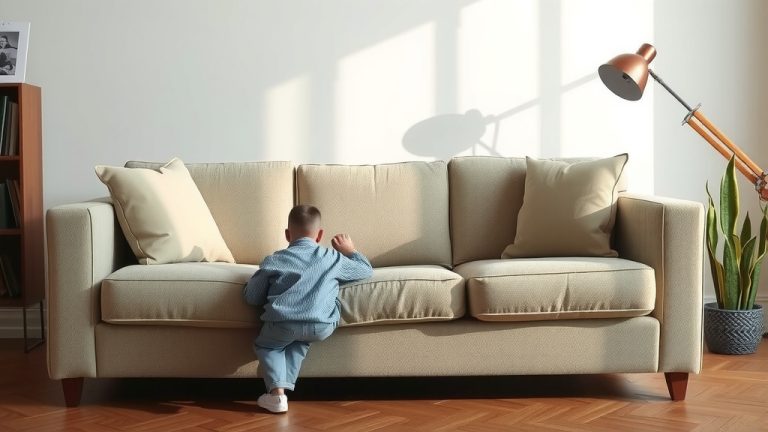
How Often Should You Clean Your Sofa
You should aim to clean your sofa every 3 to 6 months. This general guideline helps maintain hygiene and prevents deep-set stains. How often you actually need to clean it depends on your household and lifestyle. For instance, homes with pets or young children might need more frequent attention to keep your sofa looking its best.
Beyond a simple wipe-down, a deeper clean protects your furniture’s longevity. Regular maintenance can prevent wear and tear from becoming permanent. Think of it like visiting the dentist; routine care prevents bigger, more expensive problems down the road for your comfy couch.
- General sofa cleaning is recommended every 3-6 months.
- Consider pets and kids for more frequent cleaning needs.
- Deep cleaning protects fabric and extends your sofa’s life.
- Different materials may require specific cleaning approaches. Different materials may require specific cleaning approaches; this guide covers how to clean your sofa.
Let’s dive into the specifics and figure out the best cleaning schedule for your sofa.
Your Sofa’s Cleaning Schedule: When and Why
So, how often should you really be cleaning your sofa? It’s a question many of us ponder while sinking into its comfy depths. Experts generally recommend a thorough cleaning session every 3 to 6 months. This frequency is a sweet spot for most households. It helps keep things hygienic without becoming an overwhelming chore. Think of it as giving your sofa a good spa day to keep it fresh and inviting.
Understanding Your Sofa’s Needs
Your sofa works hard for you. It’s the stage for movie nights, lively conversations, and even the occasional nap. Because of all this activity, it collects dirt, dust, and spills. Regular cleaning isn’t just about looks; it’s about maintaining a healthy environment in your home. Dust bunnies aren’t just unsightly; they can harbor allergens and dust mites, which isn’t ideal for anyone with allergies or respiratory issues.
The Impact of Household Factors
The “3 to 6 months” rule is a great starting point, but your personal situation might call for adjustments. Do you have furry friends who shed or love to lounge on the sofa? Are there little ones who treat it like a playground, complete with snack crumbs and occasional spills? If you answered yes, you’ll likely need to clean your sofa more often. Consider bi-monthly cleanings or even monthly spot treatments for high-traffic areas. This helps prevent dirt and stains from becoming permanent fixtures.
Environmental Considerations
Think about where you live too. If you’re in a particularly dusty area or experience high humidity, your sofa might attract more grime. A coastal environment might mean salt and moisture can settle on your upholstery. These factors can speed up wear and tear. In such cases, cleaning your sofa every 2 to 3 months might be more appropriate to combat these elements effectively.
Different Sofa Materials, Different Care
The type of fabric your sofa is made from plays a big role in how often and how deeply you should clean it. Some materials are more forgiving than others. Others require specialized care to avoid damage. Understanding your sofa’s material is key to developing the right cleaning routine. Different materials may require specific cleaning approaches; our guide explains how to clean sofa fabric.
Fabric Sofas: The Everyday Workhorses
For most common fabrics like cotton, linen, or synthetic blends, the 3-6 month guideline generally applies. These materials can usually handle gentle cleaning methods. It’s always best to check the manufacturer’s care tag. This tag provides specific instructions tailored to your sofa’s upholstery. Following these guidelines ensures you clean effectively without causing harm.
Microfiber and Suede: Delicate Touches Needed
Microfiber and suede can be a bit trickier. While durable, they can stain easily and water can sometimes leave marks. For these materials, spot cleaning is often best. You might want to opt for professional cleaning every 6-12 months. Research specific cleaning codes (like ‘W’ for water-based cleaners or ‘S’ for solvent-based cleaners) before you attempt any DIY treatments.
Leather Sofas: A Different Ballgame
Leather sofas require a distinct approach. They don’t typically harbor dust mites or allergens in the same way fabric does. However, they are prone to drying out, cracking, and absorbing oils. A good conditioning treatment every 6 to 12 months is usually sufficient. Gentle wipe-downs with a damp cloth can be done more frequently, perhaps monthly, to remove surface dust and minor spills.
Deep Cleaning vs. Spot Cleaning
It’s important to distinguish between deep cleaning and spot cleaning. Spot cleaning tackles immediate spills and small marks as they happen. This is crucial for preventing stains from setting. Deep cleaning, on the other hand, is a more comprehensive process. It involves cleaning the entire sofa to remove accumulated dirt, dust, and odors. You’ll want to do a deep clean every 3 to 6 months, depending on your lifestyle. Spot cleaning should be done immediately after any accident.
Signs Your Sofa Needs Cleaning Now
Sometimes, your sofa will tell you it’s time for a clean. Beyond the routine schedule, keep an eye out for specific indicators. These are your sofa’s subtle (or not-so-subtle) hints that it needs some TLC.
- Visible Stains: Obvious spills or marks that haven’t been addressed.
- Lingering Odors: Unpleasant smells that don’t disappear with simple airing out.
- Noticeable Grime: The fabric might look dingy or feel slightly sticky or rough.
- Increased Allergies: If you or family members are experiencing more sneezing or itchy eyes, your sofa might be contributing.

Tips for Maintaining a Clean Sofa Between Deep Cleans
Keeping your sofa looking and feeling fresh doesn’t always require a full deep clean. Regular maintenance can go a long way. These small habits can extend the time between major cleaning sessions and keep your sofa in tip-top shape.
Here’s a quick checklist to help you stay on top of it:
- Vacuum weekly: A quick once-over with your vacuum’s upholstery attachment removes surface dust and crumbs.
- Address spills immediately: Blot, don’t rub, any spills as soon as they happen.
- Fluff cushions regularly: This helps maintain their shape and prevents deep-set creases.
- Rotate cushions: If possible, flip and rotate cushions to ensure even wear.
- Use throws and blankets: These add an extra layer of protection against spills and wear.
When to Call the Professionals
While DIY cleaning is great for maintenance, some situations call for professional help. If you have delicate fabrics like silk or velvet, or if your sofa has stubborn, large stains, a professional cleaner has the right tools and expertise. They can also handle the deep cleaning for leather or specialty materials safely. Many experts suggest professional cleaning every 1 to 2 years, depending on the sofa’s condition and material. This ensures a thorough, safe clean that preserves your furniture.
Conclusion
Keeping your sofa clean is more than just an aesthetic choice; it’s about your home’s health and your furniture’s lifespan. You’ve learned that a general guideline of cleaning every 3 to 6 months works for most, but your family’s habits—like pets or little ones—might mean more frequent attention. Remember to consider your sofa’s material and environment, too. By following these tips and knowing when to call the pros, you can ensure your favorite spot stays fresh and inviting for years to come. Your next step? Check your sofa’s care tag and pick a date for its next refresh!
Frequently Asked Questions
How often should I vacuum my sofa?
You should aim to vacuum your sofa at least once a week. This quick maintenance helps remove loose dirt, crumbs, and pet hair before it gets ground into the fabric. Use your vacuum’s upholstery attachment for the best results and to avoid damaging the material.
Can I use household cleaners on my sofa?
Always check your sofa’s manufacturer tag for cleaning codes before using any household cleaners. Some fabrics require specific cleaners, while others can be damaged by water or chemicals. Spot testing in an inconspicuous area is always a smart first step to ensure no discoloration occurs.
My sofa smells a bit musty. What can I do?
A musty smell often indicates trapped moisture or trapped odors within the fabric. Try to air out your sofa by opening windows and letting in fresh air. Baking soda sprinkled on the upholstery and left for a few hours before vacuuming can help absorb odors.
Is professional sofa cleaning really necessary?
Professional sofa cleaning is recommended every 1 to 2 years, depending on your sofa’s material and how much it’s used. Professionals have specialized equipment and cleaning solutions that can safely remove deep-set dirt and stains that DIY methods might miss, extending your sofa’s life.
How do I handle pet stains on the sofa?
For pet stains, it’s best to act quickly. Blot up as much of the mess as possible immediately. Then, use a pet-specific enzymatic cleaner designed to break down the stain and neutralize odors. Always follow the product’s instructions carefully and test in a hidden spot first.