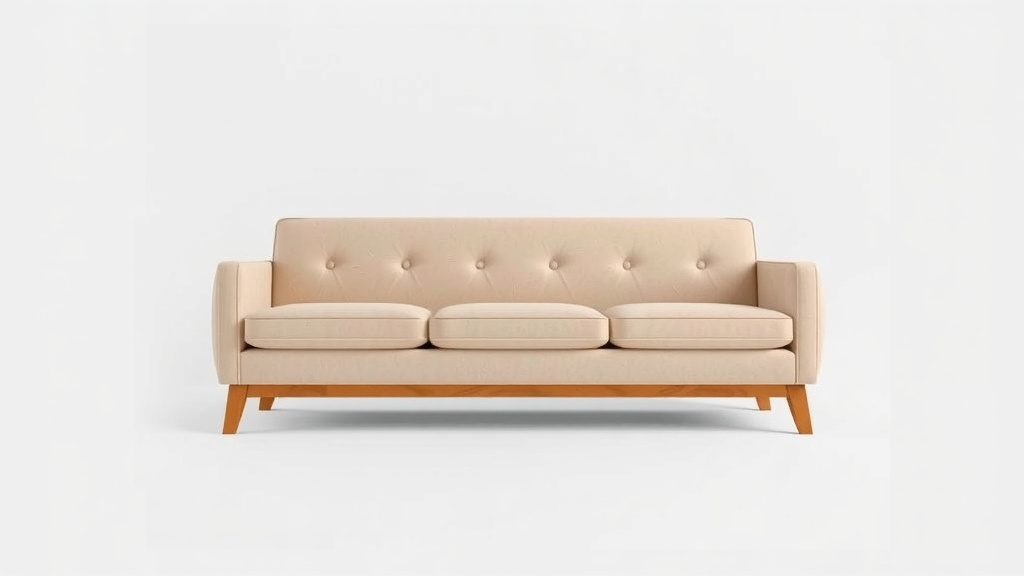
How to Buy a Quality Sofa: A Smart Shopper’s Guide
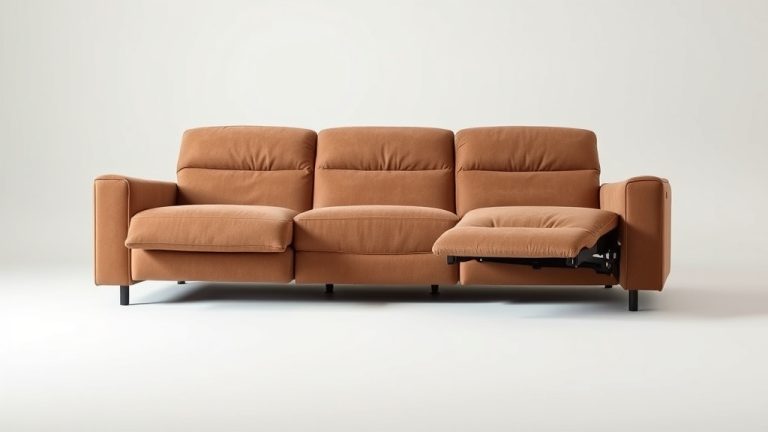
Buying a quality sofa starts with checking three things: a solid hardwood frame, high-density foam cushions, and a sturdy joinery method like dowels or corner blocks. Skip any sofa held together mainly with staples or glue. We found that these three checks alone weed out most of the junk out there.
But there’s more to it than the frame. You’ll also want to think about seat depth, fabric durability, and whether the piece actually fits your space and your life. Got kids or a big dog? Many experts say a performance fabric or a tight-weave material will save you a lot of heartache (and cleaning bills).
TL;DR:
- Look for a kiln-dried hardwood frame, not particleboard.
- Choose cushions with high-density foam that bounce back when you press them.
- Test the sofa in person if you can — sit on it, wiggle a bit, be rude to it.
- Measure your room and doorways before you fall in love with anything.
- Check the warranty; a good sofa usually comes with a frame guarantee of 10 years or more.
Below, we break down everything you need to know about buying a quality sofa, step by step. By the end, you’ll shop like a pro and skip the costly mistakes most of us make.
Buying a Sofa That Lasts: What to Check First
Start with the frame. If the bones are weak, nothing else matters. We found that a kiln-dried hardwood frame is the gold standard because the drying process removes moisture that causes warping. Ask the salesperson what’s under the fabric. If they can’t answer, that’s your answer.
Think of it like buying a house. You don’t fall in love with the paint color before checking the foundation, right? Same deal here.
Frame Materials Ranked
Not all frames are equal. Many experts say the pecking order looks like this:
- Kiln-dried hardwood — oak, ash, or maple. The best you can buy.
- Engineered hardwood or plywood — fine if it’s thick (11+ layers) and furniture-grade.
- Softwood like pine — acceptable, but check for knots that can crack.
- Particleboard or plastic — walk away. Seriously.
Joinery: The Secret Handshake of Sofa Quality
How the pieces connect tells you everything. Look for wooden dowels, corner blocks, or double dowels reinforced with glue. Staples alone? That’s a red flag. Glue alone? Worse.
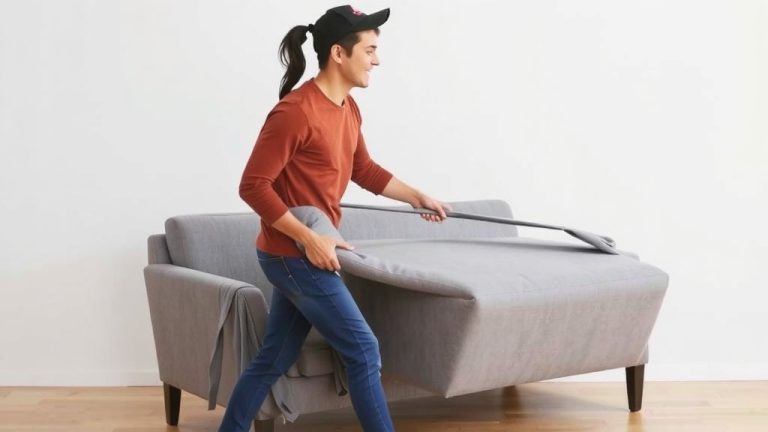
Lift one front corner of the sofa a few inches while a friend holds the opposite leg. If the whole piece twists and creaks, the frame is loose. A solid sofa stays rock steady.
Cushions and Comfort: Don’t Judge by the First Sit
High-density foam is your friend. It should bounce back when you press it. We found that cushions with a density of 1.8 pounds per cubic foot or higher hold their shape far longer than cheaper foam.
Reading Cushion Labels
Stores love vague terms like “plush” and “luxury foam.” Ignore those. Ask for numbers instead:
- Density: aim for 1.8 or above.
- Core type: foam-wrapped springs or high-resilience foam beat basic foam.
- Down or feather wraps: soft, but they need daily fluffing. Be honest with yourself.
The Sit Test
Sit the way you actually sit at home. Slouch. Put your feet up. Scroll your phone for ten minutes. A sofa can feel great for sixty seconds and awful for an hour.
Also check the seat depth. If you’re shorter, a deep seat leaves your feet dangling. Taller? A shallow seat will cramp your knees. Many showrooms have a tape measure on hand — use it.
Fabric and Upholstery: Pick a Material That Fits Your Life
The prettiest fabric in the store might be the worst choice for your living room. Got kids, pets, or a habit of eating nachos on the couch? Choose wisely.
Check the double rub count on the fabric tag. It measures abrasion resistance — basically, how many back-and-forth rubs the fabric survives. Many industry guidelines suggest 15,000+ double rubs for home use and 30,000+ for heavy daily use.
Quick Fabric Comparison
| Fabric | Best For | Watch Out For |
|---|---|---|
| Performance fabric | Kids, pets, spills | Slightly higher price |
| Tight-weave cotton blend | Everyday family use | Can fade in direct sun |
| Leather | Durability, easy wipe-down | Scratches, heat |
| Velvet | Style, softness | Pet hair magnet |
| Loose linen | Looks, airy rooms | Wrinkles, stains fast |
Stain Resistance and Cleaning Codes
Flip a cushion and look for a cleaning code. W means water-based cleaners are safe. S means solvent only. WS gives you both options. X? Vacuum only, and may the odds be ever in your favor.
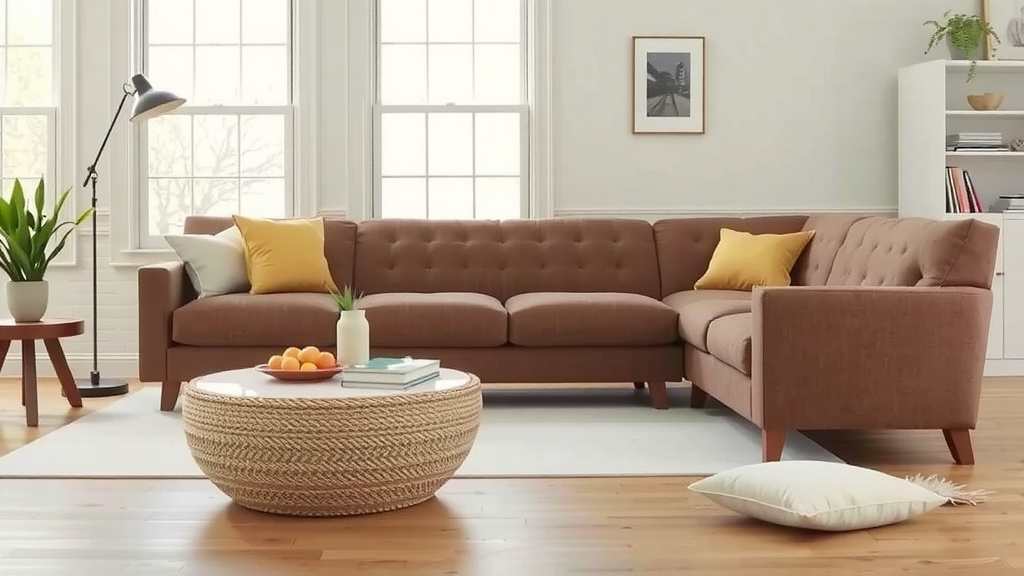
Getting the Size Right Before You Buy
Here’s the heartbreaker we hear about all the time: someone falls in love with a sofa online, it arrives, and it won’t fit through the door. Or worse, it swallows the whole room.
Measure your doorways, hallways, and stairwells first. Then measure the room. A sofa should leave at least 18 inches of walkway around it. Tape measures are cheap. Returning a 300-pound couch is not.
Your Pre-Purchase Checklist
- Measure doorways, hallways, and elevator clearance.
- Mark the sofa’s footprint on the floor with painter’s tape.
- Check seat height against your coffee table.
- Confirm delivery path — narrow stairs can kill a delivery.
- Snap photos of the room to compare while shopping.
- Verify the return policy before you pay.
Warranties, Prices, and When to Walk Away
A confident manufacturer backs the frame for 10 years or more. Cushions and fabric usually carry shorter coverage — one to five years is typical. Read the fine print. “Lifetime warranty” that only covers the frame and excludes everything you’ll actually break isn’t much of a warranty.
On price, be skeptical of both extremes. We found that bargain sofas under a few hundred dollars almost always cut corners on the frame. And sky-high prices don’t always mean better quality — sometimes you’re paying for the showroom’s rent.
Try Before You Buy (Or Buy Smart Online)
In-store shopping lets you do the wiggle test and the ten-minute sit. If you’re buying online, look for free trial periods or easy returns. Many reputable online brands let you live with a sofa for 30 to 100 days. Use that window.
One last tip: check reviews that mention the sofa after a year of use. Anyone’s couch feels good in month one. The real test is whether it sags in month twelve. Keep these checks in mind, and you’ll end up with a sofa your grandkids might fight over — in a good way.
Conclusion
You don’t need to be a furniture expert to buy a great sofa — you just need to ask the right questions. Check the frame, press the cushions, test the joinery, and match the fabric to your real life. Measure everything before you click “buy,” and read the warranty like it’s a contract, because it is. We found that shoppers who slow down for ten extra minutes avoid the most common regrets.
Your next step? Grab a tape measure tonight and jot down your doorway, hallway, and room numbers. Then walk into that showroom with your list and sit like you mean it. The right sofa is out there — now you know how to spot it.
Frequently Asked Questions
How much should I realistically spend on a quality sofa?
Most research suggests you’ll find solid construction in the $1,000 to $2,500 range for a standard three-seater. Below that, corners usually get cut on the frame and foam. Above it, you’re often paying for brand names or custom options, not durability.
Is it worth buying a sofa online, or should I always see it in person?
Online works fine if the brand offers a trial period of at least 30 days and covers return shipping. Read reviews from people who’ve owned the sofa for a year or more. If you’re picky about comfort, visit a showroom first, then buy online for a better price.
How long should a good sofa last?
A well-built sofa with a hardwood frame and high-density foam should comfortably last 7 to 15 years with normal use. Cheaper models often start sagging within two to three years. If a sofa makes it past a decade without creaking, you chose well.
What’s the best sofa for a small living room?
Look for an apartment-size or loveseat sofa with legs that leave visible floor underneath — it makes the room feel less crowded. Choose a seat depth around 21 inches or less if your space is tight. Lighter-colored fabrics also help a small room feel more open.
Can I fix a sagging sofa instead of replacing it?
Sometimes. If the frame is solid but the cushions sag, replacing the foam inserts is a fairly affordable fix. If the frame itself twists, creaks, or droops, repairs often cost as much as a new sofa — and it’s usually not worth it.