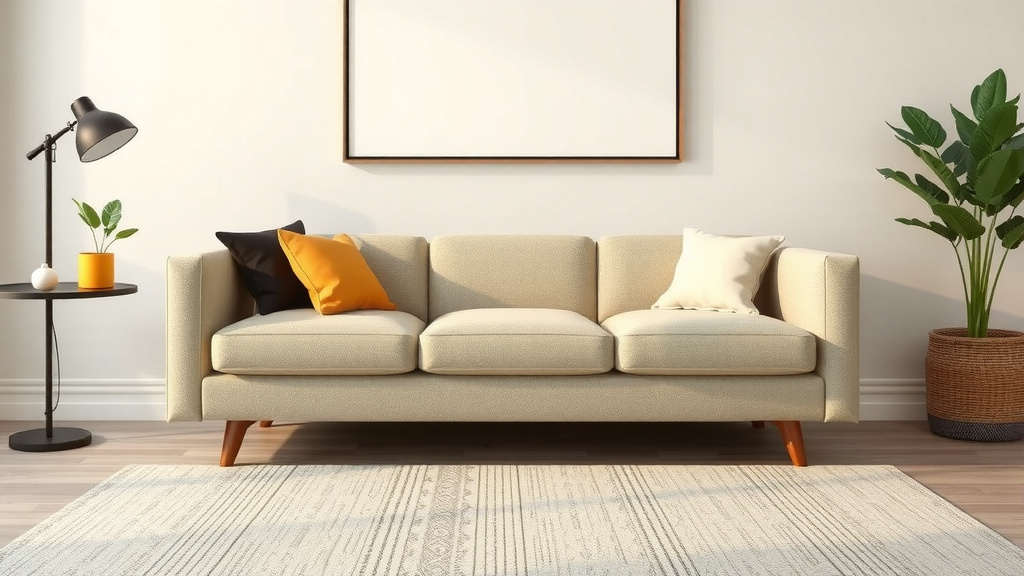
How to Choose a Good Sofa: A Practical Buyer’s Guide
Choosing a good sofa comes down to four things: frame quality, cushion fill, fabric durability, and the right size for your room. Get those right, and your couch will stay comfortable for a decade or more. Skip them, and you might be shopping again in two years.
The good news? You don’t need to be a furniture expert to spot a winner. We researched what matters most and found that a few simple checks — like asking about the frame and testing cushion firmness — tell you almost everything. And honestly, the price tag doesn’t always tell the whole story.
- Check the frame first. Solid hardwood beats particleboard every time.
- Test the cushions. High-density foam holds its shape far longer.
- Pick fabric for your lifestyle. Pets and kids change the math.
- Measure your space. Twice. Please.
- Set a budget that matches how long you want it to last.
Ready to find a sofa you’ll actually love coming home to? Below, we break down everything you need to know, step by step, so you can shop with confidence.
Finding the Right Sofa for Your Home
Picking the right sofa starts with the frame. Everything else — fabric, cushions, style — sits on top of it. If the frame is junk, nothing else matters. We found that shoppers who ask about frame construction first end up far happier with their purchase.
So where do you start? Lift one front corner of the sofa about six inches in the showroom. If the opposite leg lifts off the floor too, the frame probably twists. That’s a red flag. A solid frame stays planted.
Frame Materials: What Lasts and What Doesn’t
Many experts say kiln-dried hardwood is the gold standard. Oak, maple, and beech hold up under years of sitting, jumping kids, and Sunday naps. Kiln drying removes moisture, which keeps the wood from warping over time.
Engineered wood isn’t automatically bad, but there’s a hierarchy:
- Kiln-dried hardwood — best, can last 10-plus years.
- Plywood (7+ layers) — acceptable, especially mid-priced sofas.
- Oriented strand board (OSB) — okay-ish, usually on budget models.
- Particleboard — avoid it. It can sag and crumble under real weight.
Also check the joints. Screws, dowels, and wooden corner blocks are good signs. Staples alone? That’s the skeleton holding everything together with hopes and prayers. Metal frames can work too, especially for modern designs, just ask about weld quality.
Cushions and Comfort
Comfort is personal, but durability isn’t. Here’s the trick: look for a sofa that’s comfortable AND built to stay that way.
Foam Density Matters Most
Cushion foam is rated by density — pounds per cubic foot. We found that 1.8-density foam or higher holds its shape far longer than cheaper options. Anything below 1.5 tends to flatten within a couple of years. Ask the salesperson; they should know, and if they don’t, that tells you something too.
Fill Types Compared
| Fill Type | Feel | Durability | Best For |
|---|---|---|---|
| High-density foam | Firm, supportive | Very good | Everyday use |
| Foam + feather wrap | Soft with support | Good | Balance of both worlds |
| Down/feather only | Luxuriously soft | Needs frequent fluffing | Low-traffic rooms |
| Memory foam hybrid | Contouring | Varies | People who nap on the couch |
One honest note: soft, squishy cushions feel amazing in the store. But think of a marshmallow left in hot chocolate — that’s often what happens to low-density foam after a year of movie nights. Firm-to-medium foam ages better. Our guide to sofa foam lifespan explains how density and use affect how long cushions stay supportive.
Choosing Fabric That Fits Your Life
The best fabric depends on your household. A silk blend in a house with three golden retrievers? Bold choice. We found that matching fabric to lifestyle prevents most buyer’s regret.
Understanding Fabric Durability Ratings
Look for the double rub count — a test measuring how much abrasion fabric can handle. Many industry testers treat 15,000 double rubs as suitable for light home use, while 25,000 to 30,000 suits heavy daily use. Higher is generally sturdier.
- Microfiber and performance fabrics — stain-resistant, great for kids and pets.
- Cotton blends — versatile, reasonably durable, casual look.
- Leather — ages well, easy to wipe clean, but scratches show.
- Linen — beautiful, wrinkles easily, best in low-traffic spaces. If you love the look, our velvet sofa lifespan guide covers what helps velvet hold up over the years.
- Velvet — trendy and cozy; check the double rub rating before committing.
Got pets? Tightly woven fabrics resist snagging claws far better than loose weaves. Dark colors hide fur (or show it, if your dog is white — you know your situation).
Sizing It All Up
A gorgeous sofa that doesn’t fit is just an expensive problem. Measure first, always.
Measure Your Room — and Your Doorways
Measure the wall space, then subtract a few inches of breathing room on each side. Then — and this is the step people forget — measure doorways, hallways, and stairwells along the delivery path. Delivery drivers have some wild stories, and you don’t want to be one of them.
Seat depth matters more than people realize. Shallow seats (around 20 inches) suit shorter folks and upright sitters. Deep seats (24 inches or more) are heaven for tall people and dedicated loungers. Sit like you actually sit at home — feet up, phone out — before you buy.

Smart Shopping Checklist
Print this out or screenshot it. These are the quick wins before you spend a dime:
- Ask about frame material — kiln-dried hardwood or quality plywood only.
- Request foam density — 1.8 or higher for cushions.
- Check the warranty — 10 years on frames is common among quality makers.
- Sit for five minutes — real comfort shows up after the honeymoon minute.
- Measure doors and hallways — before checkout, not delivery day.
- Read return terms — restocking fees can sting.
Budgeting Without Getting Burned
Here’s the truth we kept finding: price tracks quality, but not perfectly. A $2,000 sofa isn’t automatically twice as good as a $1,000 one. Know what your money should buy.
Under $800, expect engineered wood frames and basic foam — fine for guest rooms or starter apartments. Between $1,000 and $2,500, you should get hardwood frames, decent foam, and real warranty coverage. Above that, you’re paying for customization, premium fabrics, and craftsmanship details like hand-tied springs.
Many furniture pros suggest thinking in cost-per-year terms. A $1,500 sofa lasting 12 years costs about $125 annually. A $400 sofa lasting three years? $133. Suddenly the “expensive” option looks frugal.
Timing helps too. New furniture lines typically drop in spring and fall, which means floor models and older inventory get discounted around then. Holiday sales — Presidents’ Day, Labor Day, Black Friday — often bring real markdowns, not fake ones. Compare prices across a few weeks before pulling the trigger.
And hey, don’t pay full freight for delivery and assembly without checking whether it’s included. Some retailers charge $100 or more to carry what you already bought through your own front door.
Conclusion
You now know what separates a sofa that lasts from one that sags. Check the frame, push on the cushions, match the fabric to your real life, and measure everything before you buy. None of this takes an expert — just a few smart questions and a tape measure.
We found that the shoppers who slow down for ten minutes in the showroom are the ones still loving their couch a decade later. Trust your seat-of-the-pants test, but back it up with the specs.
Your next step? Grab a tape measure tonight and jot down your room, doorway, and hallway dimensions. Then head out (or online) armed with your checklist and find the sofa your living room deserves.
Frequently Asked Questions
How long should a good sofa last?
A well-built sofa should give you 7 to 15 years of daily use. The frame quality and foam density make the biggest difference. If your cushions sag or the frame creaks within a few years, those are the usual culprits.
Is it worth buying a sofa online?
It can be, especially if the retailer offers a generous trial period. We found that many online brands now offer 30 to 100-day home trials, which lets you judge comfort in your own living room instead of a bright showroom. Just read the return policy carefully before clicking buy.
What is better: a sectional or a standard sofa?
Sectionals win for big families and open floor plans because they seat more people and define large spaces. A standard sofa is easier to move, rearrange, and fit through doorways. Choose based on your room size and how often you host, not just what looks good in photos.
Should I buy floor model sofas at a discount?
Floor models can save you serious money, often 30% or more. But inspect them closely — showroom pieces take plenty of wear from constant sitting. Check the frame, seams, and cushions, and ask whether the full manufacturer warranty still applies.
What questions should I ask before buying a sofa?
Ask about the frame material, the foam density, and the length of the warranty. Then ask about the return policy, delivery fees, and whether the cushions have removable covers. A seller who answers confidently is usually selling something worth owning.