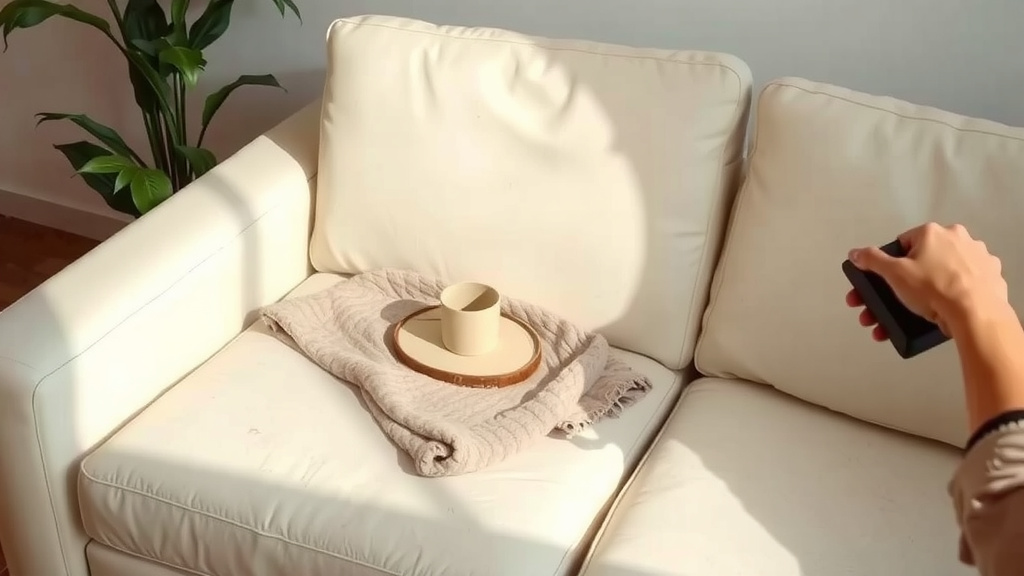
How to Clean a Dirty White Leather Sofa in November 2026
The easiest way to clean a dirty white leather sofa is to wipe it down with a soft cloth dipped in a mix of mild dish soap and warm water. Gently rub in small circles, then dry the surface right away. That’s it — no fancy products needed for everyday dirt.
White leather looks amazing, but it shows every smudge, stain, and scuff like a magnet. The good news? With the right routine, you can keep it looking bright without damaging the finish. We researched the most trusted methods and found that gentle cleaning and quick spill response matter more than expensive cleaners. Many experts also say regular conditioning keeps the leather from cracking.
Quick takeaways before we dive in:
- Wipe spills as soon as they happen — leather drinks up stains fast.
- Mild dish soap and water handle most everyday dirt and grime.
- Baking soda paste works well for tougher oil-based stains.
- Always test any cleaner on a hidden spot first.
- Condition the leather every few months to prevent cracking.
Below, we break down everything you need to know about cleaning your white leather sofa — step by step, with simple tools you probably already have at home.
Cleaning Your White Leather Sofa Without Ruining It
The safest way to clean white leather is with mild dish soap, warm water, and a soft cloth. Work in small circles, wipe away residue, and dry immediately. Heavy scrubbing and harsh chemicals are what actually ruin these sofas — not the dirt itself.
Think of white leather like your skin. It has a protective finish, and once you strip it, stains sink in fast. So your job is to clean gently and protect that finish at the same time.
What You’ll Need Before You Start
Good news: you probably own everything already. We found that most leather care guides recommend the same short list of supplies.
- Soft microfiber cloths (at least three — one for washing, one for rinsing, one for drying)
- Mild dish soap or gentle hand soap
- A bucket or bowl of warm water
- Baking soda for oily stains
- Leather conditioner for after the cleaning
- A vacuum with a soft brush attachment
Skip anything with bleach, ammonia, or alcohol. These can dry out and crack the leather, and many leather care experts warn against them for good reason.
Step-by-Step: The Basic Clean
This routine handles everyday grime — coffee rings, dusty armrests, that mystery smudge from last Tuesday.
Step 1: Vacuum First
Use your soft brush attachment to remove crumbs, dust, and pet hair. Why? Rubbing loose grit around acts like sandpaper on white leather. A quick vacuum prevents tiny scratches.
Step 2: Mix Your Cleaning Solution
Add a few drops of dish soap to a bowl of warm water. You want it lightly sudsy, not a bubble bath. Too much soap leaves a film that attracts more dirt.
Step 3: Wipe Gently, Section by Section
Dip a cloth, wring it out well, and wipe in small circles. Leather experts commonly advise keeping the cloth damp, not dripping, since standing water can stain. Work on one cushion at a time so nothing dries with soap still on it.
Step 4: Rinse and Dry Right Away
Go back over each section with a clean, damp cloth to remove soap residue. Then pat dry with a towel. Never let white leather air-dry soaked — it can leave water marks that are tough to fix.
How to Tackle Tough Stains
Different stains need different approaches. Here’s a quick reference table we put together from common leather care guidance:
| Stain Type | Best Method | Key Tip |
|---|---|---|
| Oil or grease | Baking soda paste | Sprinkle, wait a few hours, vacuum off |
| Ink | Isopropyl alcohol on a cotton swab | Dab lightly; don’t rub outward |
| Food or drink | Soap and water | Blot first, clean second |
| Blood | Cold water and mild soap | Never use hot water |
| Unknown smudge | Plain damp cloth | Try water alone before soap |
Oily and Grease Stains
Sprinkle baking soda directly on the spot and let it sit for a few hours. It absorbs the oil like a sponge soaks up a spill. Vacuum it away, then repeat if needed.
Ink Marks
Ink is the boss fight of white leather. Dip a cotton swab in a tiny amount of isopropyl alcohol and dab, don’t scrub. Rubbing spreads the ink and drives it deeper. Work from the outside of the stain inward.
Common Mistakes to Avoid
We found that most white leather damage comes from good intentions, not bad luck. Watch out for these:
- Using bleach or all-purpose cleaners — they strip the protective finish
- Scrubbing hard — you’re cleaning leather, not a bathtub
- Saturating the surface with water
- Skipping the spot test on a hidden area first
- Using paper towels that can shed lint and scratch

Conditioning: The Step Everyone Skips
After cleaning, your leather needs moisture back. Soap removes oils along with dirt. A quality leather conditioner restores flexibility and helps prevent cracking.
Many experts suggest conditioning every three to six months. Skin care sites like the Cleveland Clinic often note that leather and human skin dry out in similar ways — heat and low humidity pull moisture out of both. If your home is dry, condition a bit more often.
Apply conditioner with a soft cloth, use a thin layer, and buff off the excess after it absorbs. Less is more here.
Your Weekly Maintenance Checklist
A little upkeep beats a big deep clean. Here’s the routine we found works best:
- Vacuum or dust the sofa once a week
- Wipe spills within minutes — leather absorbs fast
- Keep the sofa out of direct sunlight to prevent fading
- Rotate cushions so wear stays even
- Wash hands before movie night (seriously, it helps)
- Deep clean and condition seasonally
When to Call a Professional
Sometimes DIY isn’t the answer. If a stain has spread, the leather is cracking, or the color is blotchy after cleaning, a professional leather cleaner is worth the money. Many upholstery specialists can re-dye and refinish white leather, which is nearly impossible to do well at home.
A good rule of thumb: if you’ve tried the gentle methods twice and the stain is still winning, stop before you make it permanent. Your sofa will thank you — and so will your wallet.
Conclusion
Keeping a white leather sofa clean really comes down to three things: gentle products, quick spill response, and regular conditioning. A soft cloth, mild dish soap, and warm water handle most of the mess, while baking soda and a careful dab of alcohol take care of the tough stuff. Just as important is what you avoid — no bleach, no harsh scrubbing, no soaking. And don’t skip the conditioner, because that’s what keeps the leather soft and crack-free for years. Your next step is simple: grab your supplies, do a quick spot test on a hidden area, and give one cushion a gentle clean today. Once you see how easy it is, the weekly routine will feel like less of a chore and more of a habit.
Frequently Asked Questions
Can I use vinegar to clean a white leather sofa?
You can, but use it sparingly. Mix equal parts white vinegar and water, dampen a soft cloth, and wipe gently. Some research we reviewed suggests vinegar works well on water-based stains, but always do a spot test first, since too much acidity can dull the finish over time.
How often should I deep clean my white leather sofa?
Most leather care experts we researched recommend a deep clean every three to six months. In between, a quick weekly dusting or vacuuming keeps dirt from settling in. If you have kids or pets, you may want to bump up the schedule slightly.
Why is my white leather sofa turning yellow, and can I fix it?
Yellowing usually comes from sun exposure, body oils, or age-related wear on the finish. Keeping the sofa out of direct sunlight helps prevent it. If the yellowing is already set, home methods rarely reverse it — a professional who can re-dye and refinish the leather is your best bet.
Is baby shampoo safe for cleaning leather?
Yes, baby shampoo is a gentle substitute for mild dish soap. Mix a few drops in warm water, keep the cloth damp rather than wet, and rinse with a clean damp cloth afterward. Because it’s designed for delicate skin, it’s less likely to strip the leather’s protective finish.
Can I use leather wipes instead of soap and water?
You can, and they’re handy for quick touch-ups. Just check the label to make sure they’re made for finished leather and skip anything with alcohol as a main ingredient. We found that wipes work fine for maintenance, but they don’t replace a proper deep clean or conditioning.