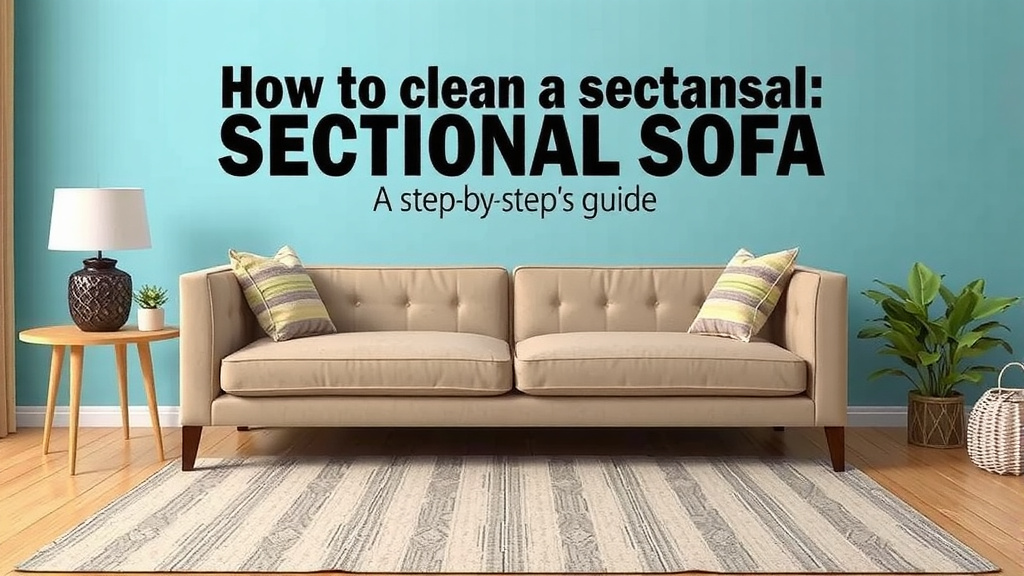
How to Clean a Sectional Sofa: A Step-by-Step Guide
The easiest way to clean a sectional sofa is to vacuum it thoroughly, spot-treat stains with a cleaner that matches your fabric type, then deodorize with baking soda before a final vacuum. That’s the short version. The full process only takes about 30 minutes, and it makes a huge difference.
Here’s the thing, though. Sectionals are big, which means more cushions, more crevices, and more places for crumbs and pet hair to hide. The right method also depends on your fabric. What works on microfiber can ruin leather, so knowing your material first matters. We researched care guides from fabric and furniture experts and found a simple routine that works for almost every sectional.
Quick TL;DR:
- Check your sofa’s care tag first to learn what your fabric can handle. Our guide to decoding cushion cleaning codes explains what each letter means.
- Vacuum every surface, including under the cushions and in the corners.
- Spot-treat stains right away using a cleaner made for your fabric type.
- Sprinkle baking soda, let it sit for 15 minutes, then vacuum again.
- Deep clean your sectional every 3 to 6 months to keep it fresh.
Below, we break down exactly how to clean your sectional step by step, no matter what it’s made of. Let’s get that sofa looking (and smelling) like new again.
Cleaning Your Sectional the Right Way, Step by Step
Start with your care tag, then vacuum, spot-treat, and deodorize in that order. We found that most fabric experts agree: skipping the vacuum step is the number one mistake people make. Dirt left behind turns into mud when it meets water. Not cute.
Step 1: Decode Your Care Tag First
Flip a cushion and look for a small tag with a letter code. That little label tells you exactly what your sofa can handle.
- W means water-based cleaners are safe.
- S means use a solvent-based cleaner only. No water.
- WS means either type works.
- X means vacuum only. Call a pro for deep cleaning.
No tag? Test any cleaner on a hidden spot, like the back of a corner cushion. Wait 24 hours. If the color holds, you’re good to go.
Step 2: Vacuum Everything (Yes, Everything)
Use your vacuum’s upholstery attachment and go slowly. Sectionals have more hiding spots than a regular couch, so give the corners and crevices extra attention.
Where the Gunk Actually Hides
Lift every cushion and vacuum underneath. Run the crevice tool along the seams, between the arms, and down the middle where two sections meet. If you have pets, use a rubber brush or a pet hair attachment first. We found that dry pet hair clings tighter than you’d expect, and vacuuming alone often leaves some behind.
Step 3: Spot-Treat Stains the Gentle Way
Blot, never scrub. Scrubbing pushes the stain deeper and can rough up the fabric. Dab from the outside of the stain inward so it doesn’t spread. Think of it like coaxing the stain out, not wrestling it.
Matching the Cleaner to Your Fabric
| Fabric | Best Cleaner | Skip This |
|---|---|---|
| Microfiber | Rubbing alcohol on a white cloth | Soaking with water |
| Fabric (W code) | Mild dish soap and warm water | Bleach or strong chemicals |
| Leather | Damp cloth plus leather conditioner | Harsh soaps and alcohol |
| Velvet | Very light water mist, blot only | Rubbing or scrubbing |
For microfiber, here’s a trick we found works well: after the alcohol dries, rub the area with a soft-bristle brush. It fluffs the fibers back up so you don’t get a stiff patch.
Step 4: Deodorize with Baking Soda
Sprinkle a light, even layer of baking soda over the cushions and base. Let it sit for 15 to 20 minutes. Baking soda absorbs odors instead of just covering them up, which is why so many cleaning guides recommend it. Vacuum it all up afterward. If your sectional smells like last night’s fish tacos, this step is your best friend.
Deep Cleaning Fabric vs. Leather Sectionals
Fabric and leather need totally different routines. Treat them the same and one of them will pay the price.
For Fabric Sectionals
If your cushions have removable covers, check the tag. Many are machine washable on a gentle cycle with cold water. Air dry them, never in the dryer. Heat can shrink covers so much they won’t fit back on. Ask us how we know. Actually, don’t.
For non-removable covers, a steam cleaner made for upholstery works well on W-code fabrics. Go light on the water. Saturated cushions take days to dry and can grow mildew inside.
For Leather Sectionals
Less is more with leather. Wipe it down monthly with a barely damp cloth. Every three to six months, apply a leather conditioner to keep it from cracking. Skip all-purpose cleaners. Many contain alcohol or ammonia, which dry leather out and cause peeling over time.
Tackling Pet Hair, Odors, and Tough Messes
Sometimes regular cleaning isn’t enough. Here’s how to handle the heavy hitters.
Winning the War on Pet Hair
- Put on a rubber glove, dampen it slightly, and sweep it across the cushions. Hair clumps right up.
- Use a lint roller for quick touch-ups before guests arrive.
- Vacuum weekly during shedding season. It makes deep cleans way easier.
When to Call a Professional Cleaner
Some stains fight back. Big ink marks, wine spills, or anything on an X-code fabric deserve professional help. Many experts say a pro upholstery cleaning once a year is worth it for large sectionals. It usually costs less than replacing a cushion.
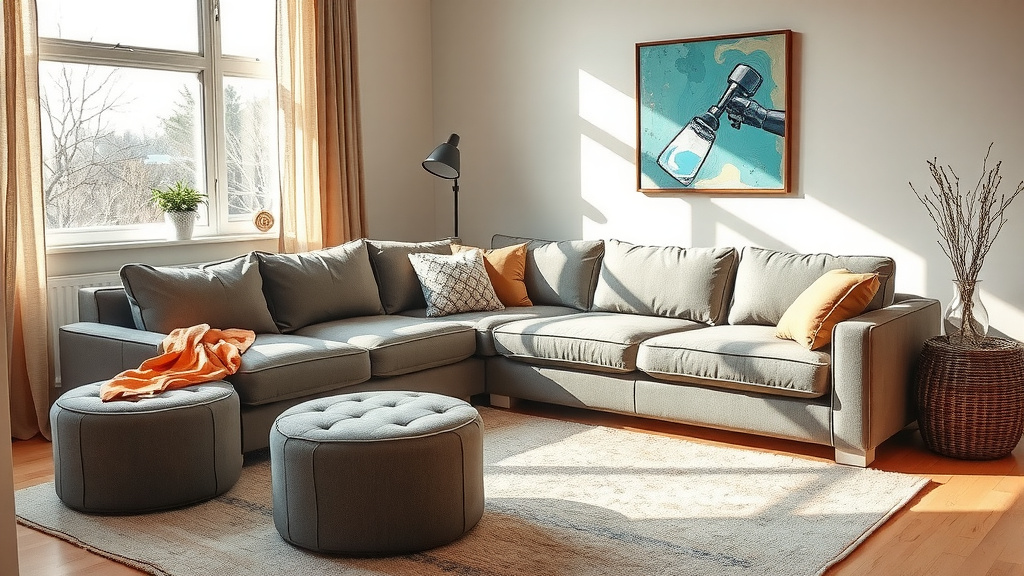
A Quick Pre-Clean Checklist
Before you start, gather your supplies and check these off:
- ✅ Read the care tag and decode the letter.
- ✅ Vacuum or brush off all loose pet hair.
- ✅ Gather supplies: vacuum, cloths, cleaner, baking soda.
- ✅ Test your cleaner on a hidden spot.
- ✅ Open a window or turn on a fan for airflow.
- ✅ Remove blankets, remotes, and stray snacks (looking at you, couch fries).
Keeping Your Sectional Clean Longer
A little prevention saves hours of scrubbing later. Vacuum your sectional once a week, even if it looks clean. Dust and skin cells build up quietly, and dust mites feed on them. The Asthma and Allergy Foundation of America notes that regular vacuuming of upholstered furniture helps reduce allergens in your home.
Also consider a washable throw blanket on the seats you use most. It catches crumbs, hair, and spills before they reach the cushions. Rotate your cushions monthly, too, so they wear evenly and stay plump. Your sectional works hard. Give it five minutes a week, and it’ll stay fresh for years.
Conclusion
Cleaning a sectional comes down to four simple moves: read the care tag, vacuum every crevice, spot-treat stains gently, and deodorize with baking soda. Match your cleaner to your fabric, whether that’s rubbing alcohol for microfiber or conditioner for leather. A few minutes of weekly upkeep beats a marathon scrubbing session every time. We found that the biggest difference comes from consistency, not fancy products. Your sofa handles movie nights, naps, and everything in between, so it deserves the care. This weekend, flip that first cushion, decode the tag, and give your sectional the 30-minute refresh it’s been waiting for.
Frequently Asked Questions
How long does it take a sectional sofa to dry after cleaning?
Spot-cleaned areas usually dry in one to three hours. Steam-cleaned cushions can take six to 24 hours, depending on humidity and airflow. Run a fan or open windows to speed things up, and wait until cushions are fully dry before sitting on them.
Can I use a carpet cleaner on my fabric sectional?
Only if your sofa has a W or WS code and the machine has an upholstery attachment. Carpet cleaners use more water and stronger suction than some fabrics can handle. Always test a hidden spot first, and never use one on S-code or velvet upholstery.
How do I clean between the sections of my modular sofa?
Unclip or pull the sections apart if they separate, then vacuum each edge with the crevice tool. Crumbs, dust, and pet hair love to collect where two pieces meet. A quick monthly pass here keeps the gap from turning into a mystery stash.
What removes sweat smells from couch cushions?
Baking soda handles most everyday odors, but stubborn sweat smells may need an enzyme cleaner made for upholstery. Spray lightly, let it dwell per the label directions, then blot dry. Enzyme cleaners break down the odor source instead of masking it.
Is it safe to use vinegar on my sectional?
Diluted white vinegar works on W-code fabric for light stains and odors, but skip it on leather, velvet, and S-code fabrics. The acid can damage delicate finishes and dyes. Mix equal parts vinegar and water, test a hidden area, and never soak the cushion.