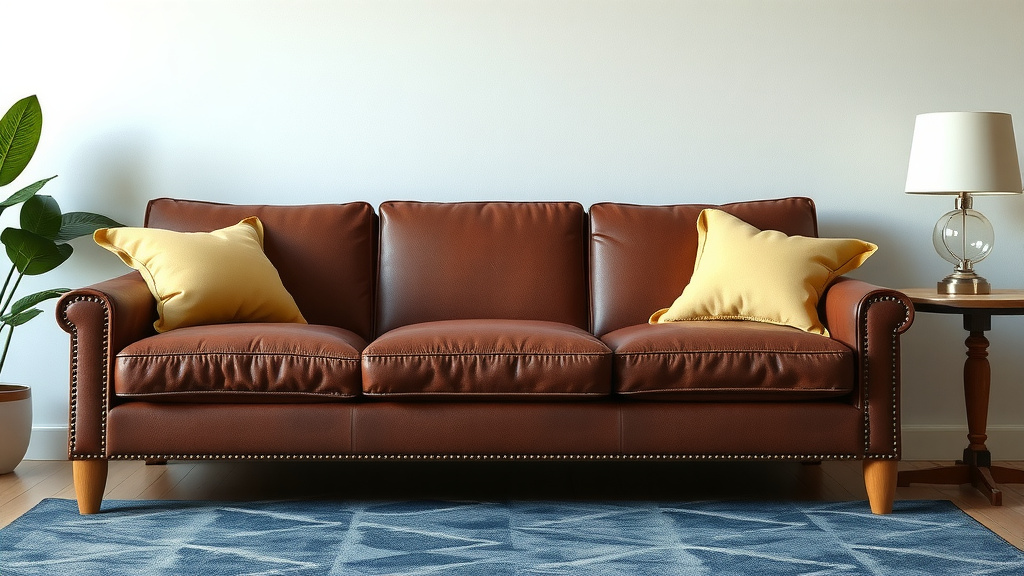
How to Clean a Leather Sofa with Saddle Soap in November 2026
The easiest way to clean a leather sofa with saddle soap is to dampen a soft cloth, work a small amount of saddle soap into a light lather, wipe the leather in gentle circles, then buff it dry. That’s it. No fancy gadgets, no expensive cleaners.
But here’s the catch: leather is a natural material, and it doesn’t love being soaked. So before you start scrubbing, you’ll want to know the right amount of water to use, how to test a hidden spot first, and why conditioning afterward matters so much. We researched common leather care mistakes, and the biggest one is simple: too much moisture. Get this right, and your sofa can stay soft, clean, and crack-free for years.
- Saddle soap works great on finished leather when used sparingly
- Always test it on a hidden area before cleaning the whole sofa
- Use a damp (not wet) cloth and gentle circular motions
- Wipe off residue and dry the leather right away
- Follow up with a leather conditioner to keep it from drying out
Below, we walk you through exactly how to do this step by step, so you can get that sofa looking fresh without turning it into a science experiment gone wrong.
Cleaning a Leather Sofa Using Saddle Soap
Saddle soap cleans finished leather well when you use it sparingly and follow up with conditioner. It was made for saddles, after all — tough hides that ride through rain and dust. Your sofa deserves the same gentle treatment, just with a lighter hand. For heavier grime than a quick saddle soap pass can handle, our guide to how to deep clean a dirty leather sofa covers the full process.
Before we get into the steps, let’s talk about what you’ll need. Nothing fancy here.
- Saddle soap (a small tin goes a long way)
- Two soft microfiber cloths
- A bowl of lukewarm water
- Leather conditioner for afterward
- A vacuum with a brush attachment
Know Your Leather Before You Start
Here’s the deal: not every sofa can handle saddle soap. Most leather couches sold in the US are finished leather, which has a protective coating. That’s the type saddle soap works on. Untreated or suede leather is a different animal entirely.
How do you know what you have? Dab a drop of water on a hidden spot. If it soaks in and darkens, your leather is likely unfinished. If it beads up, you’re probably good to go.
Check the Care Tag First
Flip up a cushion and look for the manufacturer’s tag. Many furniture makers spell out exactly which cleaners are safe. We found that skipping this step is one of the most common — and most expensive — mistakes people make.
If the tag says “S” or “WS,” solvent-based or water-based cleaners are fine. If it says “W” only, stick to plain water and skip the soap.
Why the Patch Test Matters
Think of the patch test as a dress rehearsal. Pick a hidden spot, like the back corner or under a cushion. Apply a tiny bit of lather, wipe it off, and let it dry for 24 hours.
Looking for color change, stickiness, or stiffness? If you see any of those, stop. Many experts say a failed patch test saves you from a ruined sofa (Good Housekeeping and leather care guides agree on this one).
Prep Your Sofa the Right Way
Start with a quick vacuum. Crumbs, dust, and pet hair hide in the seams, and rubbing them around with a wet cloth just grinds them in. Use the brush attachment and go slow.
Next, wipe the whole sofa with a dry cloth. This removes surface dust so your soap can actually reach the leather. Two minutes of prep saves you twenty minutes of frustration.
The Step-by-Step Saddle Soap Method
Now for the main event. Follow these steps in order, and don’t rush.
- Dampen one cloth with lukewarm water, then wring it out hard. It should feel damp, not dripping.
- Scoop a dime-sized amount of saddle soap onto the cloth.
- Work it into a light lather by rubbing the cloth against itself.
- Wipe the leather in gentle circles, one small section at a time.
- Rinse the cloth, wring it well, and wipe away all soap residue.
- Buff the section dry with your second, clean cloth.
Work in sections about the size of a throw pillow. Finish each one before moving on. This keeps the soap from sitting too long and drying into the grain.
How Much Soap Should You Use?
Less than you think. A little tin of saddle soap can last years because you only need a thin film. Overdoing it leaves a chalky residue that’s a pain to remove.
If the cloth isn’t lathering, add a drop of water — not more soap. The water activates what’s already there.
Water Temperature and Moisture Control
Lukewarm is the sweet spot. Hot water can dull the finish, and cold water makes the soap stiff and hard to spread. Leather also dislikes extremes, much like your own skin (Mayo Clinic skin care guidance makes a similar point about gentle temperatures).
Keep a dry cloth in your non-dominant hand. Spills and excess moisture should get blotted the moment you see them.
Conditioning: The Step People Skip
Here’s the honest truth: saddle soap cleans, but it can also dry leather out. The tallow and waxes in it strip some natural oils along with the dirt. That’s why conditioning isn’t optional — it’s the sequel.
Wait until the sofa is fully dry, usually an hour or two. Then apply a leather conditioner with a clean cloth, working in circles again. Let it soak in per the product directions, then buff off the excess.
How Often Should You Condition?
Most leather care guides suggest conditioning every 3 to 6 months. Homes with dry air, strong sun, or pets may need it more often. If the leather looks dull or feels stiff, that’s your cue.
Common Mistakes to Avoid
We found a few repeat offenders in forums and care guides alike. Avoid these and you’re ahead of the game.
| Mistake | What Happens | Fix |
|---|---|---|
| Soaking the cloth | Water spots and stiffened leather | Wring until barely damp |
| Skipping the patch test | Discoloration on visible areas | Test a hidden spot for 24 hours |
| No conditioning afterward | Cracking within months | Condition once fully dry |
| Scrubbing stains hard | Rubbed-off finish | Blot gently, repeat if needed |
| Using saddle soap on suede | Permanent staining | Use a suede brush instead |
Quick Checklist Before You Begin
Print this mental list. It takes thirty seconds and saves headaches.
- Checked the care tag for cleaning codes
- Confirmed the leather is finished, not suede
- Ran a patch test on a hidden spot
- Have two cloths ready (one damp, one dry)
- Conditioner within reach for afterward
Tackling Stains and Sticky Spots
Grease stain? Blot it first with a dry cloth — don’t rub, or you’ll spread it. Then use your saddle soap lather on the spot with light circles.
Ink and dye stains are trickier. Saddle soap alone rarely lifts them, and scrubbing makes things worse. For stubborn stains, many experts recommend calling a professional leather cleaner rather than gambling with household hacks (consumer leather care guides, including advice published by university extension programs, back this up).
What About Ink and Pet Accidents?
Ink responds best to early action. Blot, don’t scrub, and keep the area dry. Pet urine needs fast blotting and a follow-up with a leather-safe cleaner, since the acids can eat into the finish over time.
When in doubt, test any additional product on that same hidden spot first. Your future self will thank you.
Conclusion
Cleaning your leather sofa with saddle soap isn’t complicated — it’s all about a light touch. Damp cloth, thin lather, gentle circles, and a quick buff dry will handle most everyday grime. The steps that matter most are the ones before and after: check your care tag, run that patch test, and never skip the conditioner once the leather dries. We found that people who rush those two steps end up with dull, cracked leather down the road. Your sofa doesn’t need a spa day — just a little routine care. So grab that tin from the closet, pick a hidden corner, and give it a test this weekend. Your couch will thank you for years to come.
Frequently Asked Questions
Can I use saddle soap on faux leather?
We don’t recommend it. Faux leather has a polyurethane surface that doesn’t need the waxes and tallow in saddle soap. A damp cloth with a drop of mild dish soap works better and won’t leave residue.
Will saddle soap remove scratches from my leather sofa?
Minor surface scuffs may blend in a bit after cleaning and conditioning, but saddle soap won’t fix real scratches. For deeper marks, a leather repair filler or recoloring balm is your best bet.
How long does a tin of saddle soap last?
With occasional sofa cleanings, a standard tin can easily last several years. You only need a dime-sized amount per session, so a little goes a surprisingly long way.
Can I use saddle soap on my leather car seats too?
Yes, if the seats are finished leather. The same rules apply: patch test first, use a barely damp cloth, and condition afterward since car interiors often get more sun exposure than furniture.
What’s the best time of year to deep clean a leather sofa?
Any season works, but low-humidity days help the leather dry faster and more evenly. Just avoid direct sunlight while it dries, since sun can fade and dry out the finish.