How to Clean a Sofa Without a Machine: Simple Steps That Work
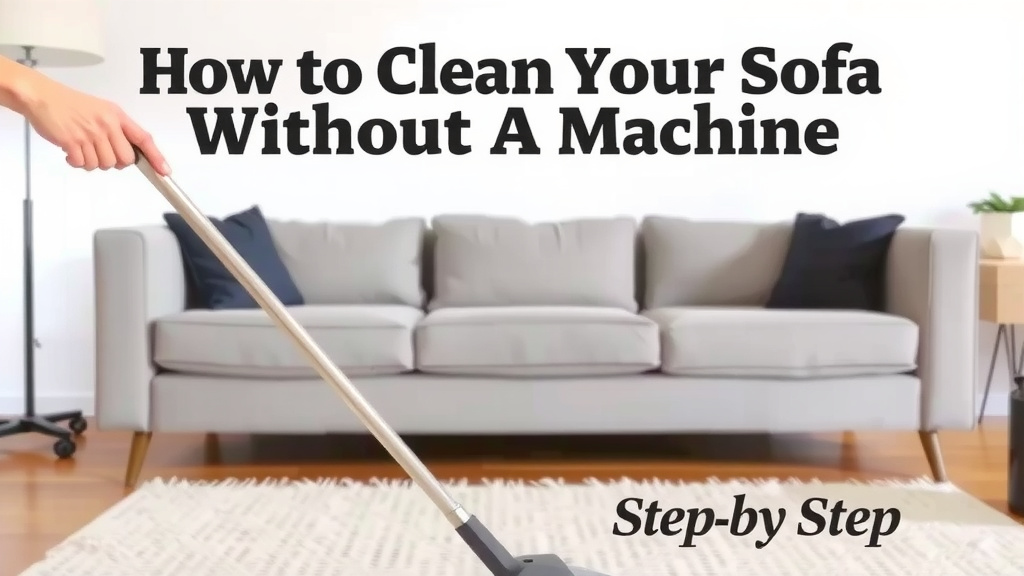
The easiest way to clean a sofa without a machine is to vacuum it with an upholstery attachment, spot treat stains with a mix of dish soap and warm water, then let it air dry. That’s it. No fancy equipment, no rental fees, no lugging a heavy cleaner up your stairs.
And honestly, you don’t need one. We researched cleaning methods from upholstery pros and found that simple household items like baking soda, white vinegar, and microfiber cloths handle most sofa messes just fine. Whether you’re dealing with pet smells, coffee spills, or that mystery stain from movie night, there’s a no-machine fix for it.
Quick look at what’s ahead:
- How to vacuum and prep your sofa the right way
- Simple DIY solutions for stains and smells
- How to clean your sofa based on its fabric type
- Easy tricks to keep it fresh between deep cleans
Let’s walk through exactly how this works, step by step. Your couch (and your wallet) will thank you.
Cleaning Your Sofa Without a Machine, Step by Step
Start by vacuuming, then spot treat, then deodorize, then dry. That’s the full order of operations. Follow it in sequence and you’ll avoid the most common mistake: rubbing a stain before removing loose dirt and crumbs first.
Step 1: Vacuum Every Nook and Cranny
Grab your vacuum’s upholstery attachment or the crevice tool. Work top to bottom so dust falls onto areas you haven’t cleaned yet. Don’t skip the sides and the back.
Research from cleaning experts consistently shows that dry soil removal comes first. Think of it like sweeping before mopping. You wouldn’t mop over cheerios, right?
Where the Hidden Gunk Lives
Slide the cushions off and vacuum underneath. This is where crumbs, pet hair, and coins go to disappear. It’s also where dust mites gather, which matters if anyone in your home has allergies (NIH notes dust mites are a leading indoor allergen).
Step 2: Spot Treat Stains the Safe Way
Before anything touches your fabric, check the care tag. Those little letter codes matter more than you’d think.
- W — water-based cleaners are safe
- S — solvent only, no water
- WS — either works
- X — vacuum only, call a pro
For a W-coded sofa, mix two cups of warm water with a few drops of dish soap. Dip a microfiber cloth, wring it nearly dry, and blot from the outside of the stain inward. Blot, never scrub. Scrubbing just pushes the mess deeper and frays the fibers.
Step 3: Deodorize With Baking Soda
Sprinkle a light layer of baking soda over the cushions and let it sit for at least 15 minutes. Overnight is even better for stubborn smells. Then vacuum it all up.
Baking soda is a mild alkali, and many cleaning guides credit it with absorbing odor molecules rather than just masking them. It’s the cheapest refresher you’ll ever buy. For tougher odors like pet accidents, our guide to removing urine smell from a sofa covers enzymatic cleaners.
For Pet Smells Specifically
For lingering pet odors, we found that a 50/50 mix of white vinegar and water in a spray bottle works well. Mist lightly — damp, not soaked — and let it air dry. The vinegar smell fades as it dries, taking the funk with it.
Matching Your Method to Your Fabric Type
The right cleaner depends on what your sofa is made of. Use the wrong approach and you can shrink, stain, or water-spot the fabric. Here’s a quick comparison to keep you out of trouble.
| Fabric Type | Safest Method | Avoid This |
|---|---|---|
| Microfiber | Isopropyl alcohol on a sponge, blot dry | Soaking with water (leaves rings) |
| Cotton or linen | Lightly damp cloth with mild soap | Over-wetting, which causes shrinkage |
| Leather | Damp cloth, then leather conditioner | Harsh soaps and vinegar |
| Velvet | Vacuum gently, steam from a distance | Scrubbing, which crushes the pile |
| Code X fabric | Vacuum only | Any liquid at all |
How to Clean Leather Without Ruining It
Less is more with leather. Wipe with a barely damp cloth, dry it right away, and condition every few months. Many manufacturers warn against household cleaners here, since they strip the finish and lead to cracking.
Tackling Common Sofa Problems One by One
Different messes need different fixes. Here’s how to handle the big three.
Grease and Food Stains
Sprinkle baking soda or cornstarch on fresh grease and let it sit for 15 minutes. It absorbs the oil like a sponge. Vacuum it up, then follow with your dish soap solution if a shadow remains.
Ink and Marker Marks
Dab (don’t pour) a small amount of rubbing alcohol on a cotton ball and blot the mark. Work from the edges toward the center. Test a hidden spot first, because alcohol can lift dye on some fabrics.
General Freshening Between Deep Cleans
Rotate and flip your cushions weekly. Vacuum surface dust every couple of weeks. Many experts also suggest opening windows during cleaning, since airflow speeds drying and prevents that damp, musty smell.
Your Quick Sofa-Cleaning Checklist
Pin this part for later. It’s the whole routine in six easy steps.
- Check the care tag code before using any cleaner
- Vacuum cushions, seams, and underneath thoroughly
- Blot stains with soap solution — never scrub
- Sprinkle baking soda, wait, then vacuum again
- Open windows or run a fan while it dries
- Test any new cleaner on a hidden spot first
How Often Should You Clean Your Sofa This Way?
We found a simple rhythm that works for most homes: vacuum every two weeks, deodorize monthly, and do a full spot-treat session every three to six months. If you have pets or kids, double the frequency and your nose will thank you.
Keeping a regular schedule also matters for your health. The CDC notes that regular cleaning of soft surfaces helps reduce allergens and germs in the home. Your sofa is basically the biggest soft surface you own.
Drying: The Step Everyone Rushes
Wet cushions left bunched together can grow mold and mildew in as little as a day or two in humid conditions. Prop cushions upright, run a fan, and give them several hours before anyone sits down. Patience here saves you a much bigger problem later. Our guide to how long sofas take to dry explains preventing mildew after cleaning.
When DIY Isn’t Enough
Skip the home remedies and call a professional if the tag says Code X, the stain covers a large area, or water has already caused a musty smell. Some things are honestly worth the money. Knowing your limits is part of keeping your sofa alive for the long haul.
Conclusion
You don’t need a rental machine to get your sofa looking and smelling fresh. Vacuum first, check that care tag, blot stains gently, and let baking soda handle the odors. Dry it properly and stick to a simple routine, and your couch can look great for years.
We’ve found that the biggest difference comes from consistency, not equipment. Ten minutes of vacuuming every couple of weeks beats one exhausting deep clean a year.
Your next step? Flip those cushions and vacuum underneath today. That’s where the forgotten crumbs and dust are hiding, and it takes less time than making coffee.
Frequently Asked Questions
Can I use laundry detergent to clean my sofa?
You can, but keep it mild and heavily diluted. Mix a small scoop of clear or gentle liquid detergent with warm water, then use just the suds on a cloth. Skip anything with bleach, dyes, or fragrance boosters, since those can discolor fabric.
How long does it take for a sofa to dry after cleaning?
Most sofas need 4 to 8 hours with good airflow. If you run a fan or open windows, you can cut that down. Press a paper towel on the fabric before use — if it comes away damp, give it more time.
What if my sofa has no care tag?
Treat it cautiously. Test your cleaning solution on a hidden spot, like the back or under a cushion, and wait 24 hours. If there’s no color change or water ring, you can move forward with the gentlest method available.
Can I use a hair dryer to speed up drying?
Yes, on the cool or lowest heat setting, held at least six inches away. High heat can shrink or warp certain fabrics, especially cotton and linen. A fan pointed at the cushions is usually the safer and easier bet.
Why does my sofa smell worse after cleaning it?
It’s probably still damp. Moisture trapped inside cushions can breed mildew within a day or two, especially in humid homes. Pull cushions apart, prop them upright, and run a fan until everything is completely dry to the touch.