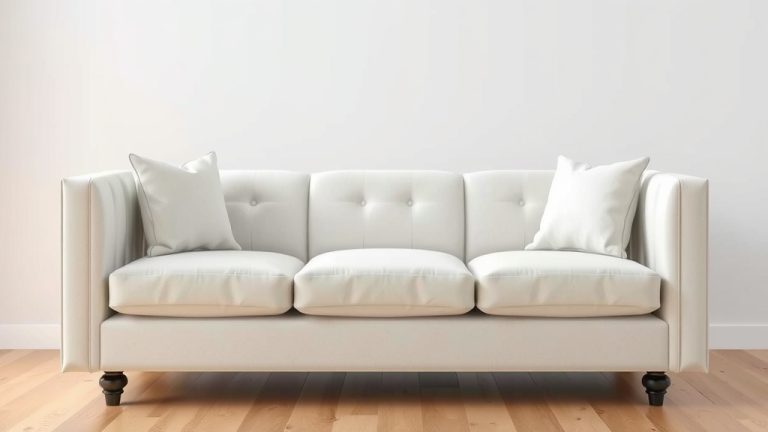
How to Clean Dust from a Leather Sofa Without Damaging It
The easiest way to clean dust from a leather sofa is to wipe it down with a soft, dry microfiber cloth, then follow up with a slightly damp cloth for any leftover grime. That’s it. No fancy products needed for regular dusting. For grime that goes beyond dust, our guide to deep cleaning a dirty leather sofa covers mild soap solutions and stain removal.
Leather might look tough, but dust is sneaky. It settles into seams, crevices, and stitching, where it can slowly dry out the surface and make your sofa look dull. Many experts say a quick weekly dusting keeps leather soft, shiny, and long-lasting. Sounds easy enough, right?
Here’s the quick version before we get into the details:
- Dust your leather sofa once a week with a dry microfiber cloth.
- Use a slightly damp cloth for sticky spots or built-up dust.
- Never use harsh cleaners, paper towels, or soaking-wet rags.
- Pay extra attention to seams, cushions, and crevices where dust hides.
- Finish with a leather conditioner every few months to keep it supple. Our broader guide to leather sofa care explains when and how to condition properly.
We researched what leather care pros recommend and found a simple, step-by-step method anyone can follow. So grab a cloth, and let’s walk through exactly how this works, step by step.
Dusting Your Leather Sofa the Right Way
Start with a dry microfiber cloth and wipe the whole sofa in long, gentle strokes. Work from top to bottom so falling dust doesn’t land on spots you’ve already cleaned. We found this simple order saves time and keeps you from wiping the same spot twice.
Why microfiber? It grabs dust instead of just pushing it around. Regular cotton rags and paper towels tend to smear particles across the surface, and paper towels can even leave tiny scratches. Many cleaning guides call microfiber the safest first choice for leather (Mayo Clinic recommends soft cloths for delicate surfaces).
What You’ll Need Before You Start
Good news: you probably own everything already. No special trip to the store required.
- A clean, dry microfiber cloth (two, if you have them)
- A second cloth you can dampen slightly with water
- Your vacuum with a soft brush attachment
- Optional: a small soft brush for seams
- Optional: leather conditioner for after you’re done
That’s the whole list. If a product promises miracles, it’s usually just promising a lighter wallet.
Step-by-Step: The Full Dusting Routine
Step 1: Clear the Sofa
Remove cushions, throws, and anything hiding in the cracks. Dust loves to settle under pillows and in the gaps between cushions. Set everything aside so you can reach every surface.
Step 2: Vacuum the Crevices
Use your vacuum’s soft brush attachment to pull dust out of seams, tufting, and the space under the cushions. Keep the suction moving and don’t press hard. A quick pass here catches what a cloth can’t reach.
Worried about scratching? Don’t be, as long as the brush head is clean and soft. Rough vacuum beats can scuff leather, so check the attachment first.
Step 3: Wipe Down With a Dry Cloth
Wipe every flat surface with your dry microfiber cloth. Use light pressure and long strokes. Flip or fold the cloth to a clean side as it picks up dust, so you’re not redepositing what you just removed.
Step 4: Tackle Sticky or Greasy Spots
Dampen a fresh cloth with water and wring it out well. It should feel barely wet, not drippy. Wipe problem spots gently, then dry them right away with a towel.
Water and leather are okay in small doses. Soaking is what causes damage. Think of it like washing your hands: a quick rinse is fine, a long soak is not.
Step 5: Let It Dry, Then Condition
Give the sofa 10 to 15 minutes to air dry. Every few months, follow up with a leather conditioner to replace moisture and keep the surface supple. Many leather care pros say conditioning is what keeps dust from settling into dry, cracked grain over time.
Where Dust Hides Most
Dust doesn’t spread evenly. It piles up in the spots you forget to check. We found these are the usual suspects:
- Seams and stitching, where threads trap fine particles
- The gap between the cushions and the backrest
- Under and behind the cushions
- Tufted or quilted sections with dimples
- The sofa’s base and legs
Mistakes That Can Ruin Leather
The fastest way to hurt a leather sofa isn’t dust. It’s the wrong cleaner. Here’s what to skip:
- Harsh chemicals like bleach, ammonia, or all-purpose sprays. They strip leather’s natural oils.
- Vinegar in large amounts. It’s acidic and can dry the finish.
- Paper towels, which can scratch and leave lint.
- Saturating the surface with water. It leads to stains and stiffening.
- Baby wipes. Many contain oils or chemicals that aren’t leather-safe.
Skip all-purpose sprays, too. They’re made for hard surfaces, not hide. When in doubt, plain water on a well-wrung cloth is your friend.
How Often Should You Dust a Leather Sofa?
Once a week is the sweet spot for most homes. If you have pets, kids, or open windows, aim for twice a week. Dust carries skin particles and other allergens, and regular removal helps keep indoor air cleaner (CDC notes dust control is a key part of managing indoor allergens).
Here’s a simple schedule we found works well:
| Task | How Often | Time Needed |
|---|---|---|
| Dry dusting with microfiber | Weekly | 5 minutes |
| Vacuuming crevices and under cushions | Weekly or biweekly | 5 minutes |
| Damp-wipe sticky spots | As needed | 2 minutes |
| Leather conditioning | Every 3–4 months | 15–20 minutes |
Your Quick Dusting Checklist
Print this in your brain. It takes five minutes tops.
- Clear off cushions and clutter
- Vacuum seams and gaps with a soft brush head
- Wipe all surfaces with a dry microfiber cloth
- Spot-clean with a barely damp cloth
- Dry the surface right away
- Condition every few months
Keeping Dust Away Longer
A few habits can stretch the time between cleanings. Vacuum your floors and rugs near the sofa weekly, since dust travels. Keep air vents and filters clean, because dusty air settles on furniture fast. And if your sofa sits near a window or doorway, expect more buildup and dust a little more often.
One last tip: wash your microfiber cloths without fabric softener. Softener coats the fibers and kills their dust-grabbing power. A little maintenance on your tools keeps your sofa looking its best.
Conclusion
Cleaning dust from a leather sofa doesn’t need to be complicated. A dry microfiber cloth, a quick vacuum of the seams, and a barely damp wipe for stubborn spots will handle almost everything. Stick to a weekly routine, avoid harsh cleaners and soaking-wet rags, and condition every few months to keep the leather soft. You don’t need expensive products, just a few minutes and the right cloth. Dust hides in crevices, so don’t skip the spots you can’t easily see. Your sofa takes daily wear, and a little care goes a long way. Grab your microfiber cloth today and give your sofa that five-minute refresh. Future you, relaxing on a clean couch, will be glad you did.
Frequently Asked Questions
Can I use baby wipes or Clorox wipes on my leather sofa?
We recommend skipping both. Many wipes contain alcohol, oils, or chemicals that can dry out or discolor leather over time. A plain, well-wrung damp cloth does the job without the risk.
Why does my leather sofa look dull even after dusting?
Dullness often means the leather is dry, not dirty. Dust can settle into the grain and strip away natural sheen. Try a quality leather conditioner after your next dusting, and you’ll likely see the shine come back.
Is it safe to use a dusting spray like Pledge on leather?
It’s best to avoid it. Sprays made for wood or hard surfaces can leave a slippery residue and may dry out the leather’s finish. Stick with a dry microfiber cloth and water when needed.
Can dust damage a leather sofa permanently?
Dust itself is mild, but over time it can work into creases and contribute to drying and cracking, especially on unconditioned leather. Regular weekly dusting plus conditioning every few months prevents most long-term damage.
What’s the best cloth type for dusting leather?
A clean, lint-free microfiber cloth is your best bet. It picks up dust instead of smearing it, and it’s gentle enough not to scratch the surface. Wash it without fabric softener so it keeps its grab.