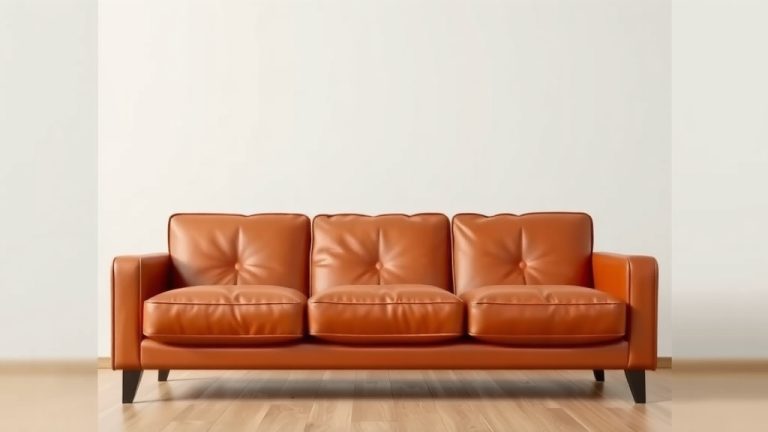
How to Clean a Full Grain Leather Sofa Safely in November 2026
The easiest way to clean a full grain leather sofa is to vacuum it, wipe it down with a soft cloth dampened with distilled water, and finish with a small amount of pH-balanced leather conditioner. That’s really the core routine. No fancy products, no professional cleaner needed for regular upkeep.
Of course, spills, stains, and everyday grime need a little more care. Full grain leather is the toughest and most natural type of leather, but it can still dry out, stain, or crack if you use the wrong stuff. We researched what leather care experts recommend, and we found that a few simple habits make the biggest difference.
- Dust and vacuum your sofa weekly with a soft brush attachment
- Wipe spills right away with a dry, soft cloth
- Use distilled water and mild soap for light cleaning, never harsh chemicals
- Condition the leather every 6 to 12 months to prevent cracks
- Keep your sofa away from direct sunlight and heat vents
Ready to get your sofa looking (and feeling) amazing again? Below, we walk through everything step by step, from routine cleaning to tackling stubborn stains, so you can keep that leather soft and beautiful for years.
Cleaning a Full Grain Leather Sofa Step by Step
Start with a dry wipe-down, then vacuum the crevices, then damp-wipe, then condition. That order matters. You never want to scrub loose dirt into the grain with a wet cloth.
Think of it like washing your car. You rinse the loose grit off before you touch the paint, right? Same idea here, just with softer hands.
What You’ll Need Before You Start
Gather your supplies first so you’re not hunting for things mid-clean. We found that keeping a small leather-care kit in a closet makes the whole routine painless.
- Soft microfiber cloths (two or three, so you always have a clean one)
- A vacuum with a soft brush attachment
- Distilled water in a spray bottle
- Mild, pH-balanced soap (like a gentle dish soap)
- Quality leather conditioner
Step 1: Dry Dust and Vacuum
Run your vacuum’s brush attachment over every surface. Get into the seams, under the cushions, and along the back where crumbs love to hide. A soft cloth works for quick spots between vacuum days.
Step 2: Damp Wipe With Distilled Water
Dampen a cloth with distilled water and wring it out well. It should feel barely wet, not dripping. Wipe in gentle circles, then follow with a dry cloth.
Why distilled? Tap water carries minerals that can leave faint spots on leather over time. It’s a small detail that makes a real difference.
Step 3: Spot Clean With Mild Soap
For grime that water alone won’t budge, mix a drop of mild soap into distilled water. Dampen your cloth, blot the area, then wipe away any residue with a clean damp cloth. Always test it on a hidden spot first, like the back or underside of a cushion.
Step 4: Condition the Leather
Once the leather is fully dry, apply a small amount of leather conditioner with a soft cloth. Work it in thin, even layers. Many experts say less is more here, since too much product can leave a greasy film.
Conditioning keeps the material supple. Skip it, and your sofa will eventually crack the way an old baseball glove does.
Tackling Common Stains the Safe Way
Act fast, blot gently, and never rub. Rubbing spreads the stain and pushes it deeper into the grain. Here’s how to handle the usual suspects.
Food and Drink Spills
Blot the spill with a dry cloth right away. If a mark remains, use your mild soap solution and finish with a dry wipe. Let it air dry, and resist the urge to blast it with a hair dryer.
Ink and Grease Marks
Grease is strange, but simple. Sprinkle a little cornstarch on the spot and let it sit for a few hours to absorb the oil, then brush it away. Ink is trickier. Many leather care guides suggest a barely damp cloth first, and if that fails, a leather-specific cleaner rather than household solvents. If ink lands on your leather, our walkthrough on how to remove ink stains from leather covers the safest next steps.
Quick Stain Reference
| Stain | Best First Move | What to Avoid |
|---|---|---|
| Water-based drink | Blot dry, then damp wipe | Soaking the area |
| Grease or oil | Cornstarch, then brush off | Scrubbing or dish degreasers |
| Ink | Damp cloth, then leather cleaner | Alcohol or acetone |
| Blood | Cool distilled water, blot | Hot water |
What Never to Use on Full Grain Leather
Skip the all-purpose sprays, bleach, vinegar, and ammonia-based cleaners. They strip the natural oils right out of the hide. One bad product choice can cause permanent dryness and cracking.
Also avoid baby wipes, even though they seem gentle. Many contain alcohol or fragrances that dull the finish over time.
How Often Should You Clean It?
Here’s a simple schedule we found works well for most households:
- Weekly: quick dust and vacuum of crevices
- Monthly: full damp wipe-down with distilled water
- Every 6 to 12 months: deep clean and conditioning
- Immediately: any spill, blot it the moment it happens
Homes with kids, pets, or sunny windows may need conditioning closer to the 6-month mark. Your sofa will tell you, too. If the leather feels stiff or looks dull, it’s thirsty.
Protecting Your Sofa Between Cleanings
Placement matters more than most people realize. Keep the sofa out of direct sunlight and away from heat vents, since UV rays and dry air both speed up fading and cracking. Even the Mayo Clinic’s guidance on dry indoor air notes how much moisture the winter months pull from your home, and leather feels it too.
Rotating cushions every week or two evens out wear. And if your furry friend thinks the sofa is theirs, a throw blanket is cheaper than a reupholstery bill.
Your Quick-Reference Cleaning Checklist
- Vacuum seams and cushions weekly with a soft brush
- Blot spills within minutes, never rub
- Damp wipe monthly with distilled water only
- Spot clean with mild soap, tested first in a hidden spot
- Condition every 6 to 12 months with a pH-balanced product
- Keep the sofa away from sunlight and heating vents
Follow this rhythm and your full grain sofa won’t just survive daily life. It’ll develop that rich, soft patina that makes full grain leather worth every penny in the first place.
Conclusion
Cleaning a full grain leather sofa comes down to a few simple habits: vacuum weekly, wipe with distilled water, blot spills fast, and condition a couple of times a year. Avoid harsh chemicals and direct sunlight, and your sofa will thank you with decades of use. We found that the people who struggle with leather usually made one of two mistakes: they scrubbed instead of blotting, or they skipped conditioning until cracks appeared. You won’t make either mistake now. Grab a microfiber cloth, check your conditioner’s label, and give your sofa a quick dusting today. Future you will be glad you did.
Frequently Asked Questions
Can I use coconut oil or olive oil to condition my leather sofa?
We recommend against it. Kitchen oils can turn rancid, attract dirt, and leave dark blotches that never come out. Stick with a conditioner made specifically for furniture leather.
Why does my leather sofa feel sticky after cleaning?
Stickiness usually means you used too much product or didn’t wipe away the soap residue. Go over the area with a clean cloth dampened with distilled water, then dry it thoroughly. Next time, use less conditioner and work it in thinner layers.
Is it safe to use leather wipes on a full grain sofa?
Some leather-specific wipes are fine for quick cleanups, but check the label for alcohol and skip anything with fragrance. When in doubt, a damp microfiber cloth does the job just as well without any risk.
How do I remove a bad smell from my leather sofa?
First, vacuum the crevices where odor-causing crumbs and pet dander collect. Then wipe the surface with your mild soap solution, let it dry fully, and condition. If a smell lingers, sprinkle baking soda on the cushions overnight and vacuum it up in the morning.
Can I clean my leather sofa with a steam cleaner?
No, steam is too hot and too wet for leather. The heat and moisture can damage the finish and dry out the hide, leading to stiffness and cracking. Damp cloths and gentle products are always the safer choice.