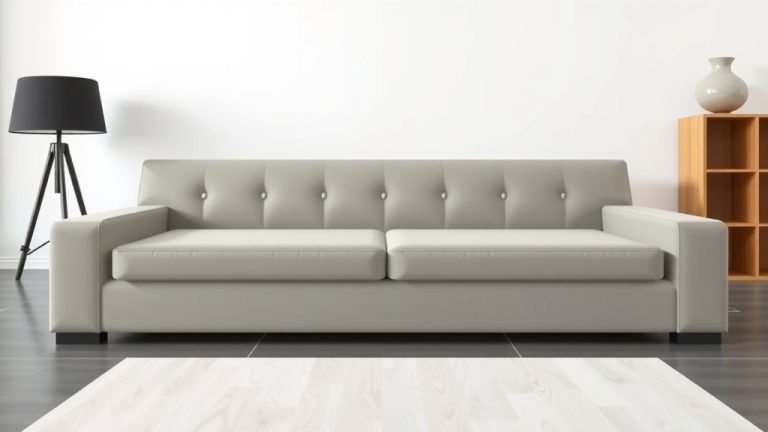
How to Clean a Gamuza Sofa: Easy Steps That Actually Work
The easiest way to clean a gamuza sofa is to vacuum it gently, spot-clean stains with a damp cloth, and brush the nap back up with a suede brush once it dries. Water is your frenemy here — a little goes a long way, and too much can leave marks. We found that most messes come out with just a soft brush and a bit of patience.
Gamuza (the Spanish word for suede) looks and feels amazing, but it attracts dust, oil, and stains like a magnet. The good news? You don’t need fancy tools or harsh chemicals. A microfiber cloth, some white vinegar or rubbing alcohol for stubborn spots, and a steady hand will handle most of it. Many experts say the secret is testing any cleaner on a hidden spot first — smart advice we’d never skip.
Here’s the quick version before we get into the details:
- Vacuum with a soft brush attachment to lift dust and crumbs.
- Spot-clean stains with a barely damp cloth or a vinegar-water mix.
- Blot — never rub — so you don’t spread the stain.
- Brush the nap back up after it dries to keep that soft look.
- Protect it going forward with a suede-safe fabric spray.
Below, we break down everything you need to know about cleaning your gamuza sofa, step by step — including the mistakes that can ruin the fabric for good. Ready? Let’s get that couch looking fresh again.
Cleaning a Gamuza Couch Without Ruining the Fabric
Suede is basically the drama queen of upholstery. It looks incredible, but it holds grudges — especially against water and harsh soap. The trick is to treat it like a friendship: gentle, consistent, and never too pushy.
Before anything else, check your sofa’s care tag. Those little letters (W, S, WS, X) tell you what cleaners are safe. If it says X, skip liquids entirely and stick to vacuuming and brushing.
What You’ll Need Before You Start
Good news — this shopping list costs less than a pizza night. Here’s your basic toolkit:
- A vacuum with a soft brush attachment
- A suede brush (or a clean, dry toothbrush in a pinch)
- Microfiber cloths — several, because they get dirty fast
- White vinegar or rubbing alcohol
- White paper towels
- A suede-safe protective spray (optional, for after)
We found that keeping everything nearby makes the job faster. Running to grab supplies mid-stain is how panic scrubbing starts. And panic scrubbing is how suede dies.
Step One: Vacuum Like You Mean It
Start dry, always. Vacuuming first removes crumbs, dust, and pet hair so you don’t grind them deeper later.
Get Into the Crevices
Use the brush attachment on low suction. Slide along the seams, under the cushions, and down the sides — that’s where the crumbs hide. We found that a slow pass works better than a fast one. Think of it as flossing your couch.
Step Two: Dry Stains and everyday Dirt
For dried mud or food, let it finish drying before you touch it. Wet smears just spread. Once dry, gently scrape off the crust with a spoon edge, then brush the spot lightly.
Many experts say to always work in the direction of the nap. Rubbing against it can rough up the texture for good (Good Housekeeping upholstery guides echo this often).
Step Three: Handling Wet Spills the Right Way
Speed matters here. Blot the spill immediately with a dry cloth — press down, don’t wipe. Wiping is basically painting the stain onto a bigger area.
The Vinegar Method
Mix equal parts white vinegar and water. Dampen a microfiber cloth — barely damp, not dripping — and blot the stain from the outside in. Let it dry fully, then brush the nap back up. Many cleaning guides consider vinegar a gentler choice than commercial sprays for delicate fabrics (Mayo Clinic lists mild household options for fabric care).
Tough Stains: Oil, Ink, and Wine
Some stains need a bigger hammer. Here’s the short version:
| Stain | Best Fix | Skip This |
|---|---|---|
| Oil or grease | Blot with dry cloth, dust with cornstarch, wait 1 hour, brush off | Water — it makes oil set |
| Ink | Dab lightly with rubbing alcohol on a cotton ball | Scrubbing (ink spreads like gossip) |
| Wine or juice | Blot fast, then vinegar mix | Salting the whole cushion |
With rubbing alcohol, work in tiny dots. Alcohol dries fast, which is good for suede — but it can also fade color if you flood the spot. Test first, always.
Step Four: Bring the Nap Back to Life
Once everything is bone dry, brush the whole surface with your suede brush. Short, soft strokes. This lifts the fibers and removes the flat, shiny patches stains leave behind.
No brush? A clean emery board works on small spots. We found that a light steam pass from an iron held a foot away also helps relax stubborn flat areas — just never let steam touch the fabric directly.
Your Quick-Clean Checklist
- ✅ Check the care tag first
- ✅ Vacuum cushions, seams, and sides
- ✅ Blot spills — never rub
- ✅ Test any cleaner on a hidden spot
- ✅ Let it dry fully before brushing
- ✅ Brush the nap back up when done
Mistakes That Can Wreck Your Sofa
Suede forgives less than a landlord at rent time. The big ones to avoid:
- Soaking the fabric — water rings are nearly impossible to fix
- Using regular carpet cleaner or bleach-based sprays
- Heat drying with a hairdryer (it stiffens the nap)
- Skipping the patch test on a hidden area
One reader story we came across in cleaning forums involved a coffee spill and a bottle of dish soap. The soap worked great — on the cushion cover. The fabric underneath faded two shades lighter. Patch tests exist for a reason.
Keeping Your Gamuza Sofa Clean Long-Term
Maintenance beats deep cleaning every time. A weekly light vacuum keeps dust from settling in. A monthly brush keeps the nap looking plush instead of patchy.
A suede-safe protective spray adds a shield against future spills. Apply it in a well-ventilated room, per the label, and reapply every few months. Many fabric care specialists consider prevention the easiest “cleaning” you’ll ever do.
Also, keep food and dark drinks off the sofa when you can. We know, movie night exists. But even rotating where people sit helps — wear and oil build up fastest in favorite spots, and even cushions need a break now and then.
And if a stain stares back at you after all this? A professional upholstery cleaner who handles suede is worth every dollar. Some things aren’t DIY. Your sofa will thank you — quietly, from across the room, looking fantastic.
Conclusion
Cleaning a gamuza sofa comes down to three habits: vacuum gently, blot spills fast, and brush the nap back up once everything dries. Skip the soaking, skip the harsh sprays, and always test on a hidden spot first. We found that most messes respond to a little vinegar, a soft cloth, and some patience — no professional needed for everyday dirt. The real secret is consistency. A quick weekly vacuum and a monthly brush beat any dramatic rescue mission. So grab your brush attachment, check that care tag, and give your sofa ten minutes of attention this week. Small effort now means no big stain panic later.
Frequently Asked Questions
Can I use a steam cleaner on a gamuza sofa?
Direct steam contact can flatten the nap and leave water rings, so we don’t recommend it. If you want to try steam, hold the source a foot away and let the vapor drift over the fabric. Then brush the nap while it’s still slightly damp.
How often should I deep clean my gamuza sofa?
For most households, a thorough clean every three to four months is plenty. Between deep cleans, stick to light vacuuming and quick blotting of any spills. Homes with pets or kids may need a monthly pass.
What removes pet hair from a gamuza couch?
A vacuum with a brush attachment handles most of it, but stubborn hair clings to the nap. We found that a slightly damp rubber glove or a lint roller for fabric works well as a follow-up. Brush in one direction to gather the rest.
Can I wash gamuza cushion covers in the washing machine?
Only if the care tag explicitly says it’s safe — and that’s rare with suede. Machine washing can shrink covers so they no longer fit, and water can permanently stiffen the fabric. Spot-cleaning is almost always the safer bet.
Why does my gamuza sofa feel stiff after cleaning?
Stiffness usually means the fabric dried too fast or too hot, or a cleaner left residue behind. Try brushing the nap firmly with a suede brush to loosen the fibers. If it stays stiff, a professional suede cleaner can restore the texture safely.