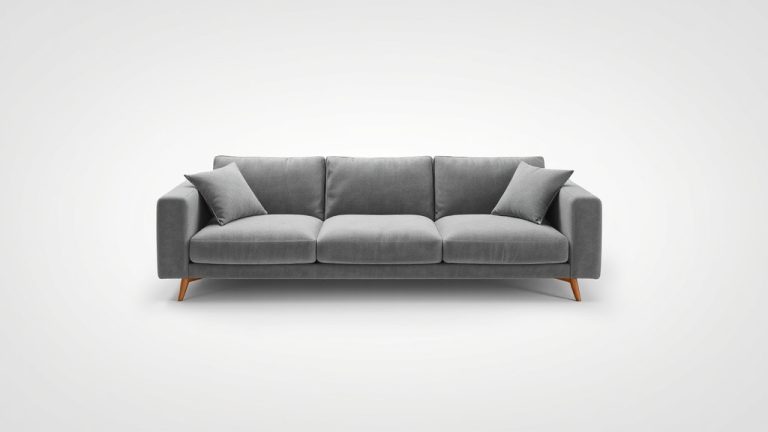
How to Clean Leather Sofa Cushions Safely at Home
The easiest way to clean leather sofa cushions is to vacuum them gently, wipe them down with a soft cloth dipped in mild soapy water, and finish with a leather conditioner. That’s it. No fancy products or professional help needed for routine cleaning.
Here’s the thing, though. Leather is skin, and it behaves like your own skin would. Too much water dries it out, harsh cleaners crack it, and ignoring spills leads to stains that never leave. We researched what leather care experts recommend, and we found that gentle, regular cleaning beats aggressive scrubbing every single time. The right routine keeps your cushions soft, supple, and stain-free for years.
- Vacuum crumbs and dust from seams before anything else.
- Use mild soapy water on a damp (not soaking) cloth.
- Never use bleach, ammonia, or all-purpose sprays on leather.
- Blot spills immediately instead of rubbing them in.
- Condition your cushions every 3 to 6 months to prevent cracking.
Below, we walk you through the whole process step by step, from picking the right cleaner to tackling tough stains. Ready to make that sofa look brand new again? Let’s get into it.
Cleaning Leather Sofa Cushions Step by Step
Before you touch your cushions with any cleaner, check the care tag. Most sofas have a code under the seat or on the cushion tag that tells you what’s safe to use. Trust us, this two-minute check saves a lot of regret.
What You’ll Need Before You Start
Good news. You probably own everything already. Here’s your short shopping list (or digging-through-the-closet list):
- A vacuum with a soft brush attachment
- Microfiber cloths (at least three)
- Mild dish soap, like a basic unscented kind
- Distilled water
- A pH-balanced leather conditioner
- A spray bottle (optional but handy)
One quick warning before we go further. Skip anything with ammonia, bleach, or vinegar. Many experts warn these strip leather’s natural oils and leave it dry and brittle (Cleveland Clinic skin care guidance applies to leather too, since it’s tanned hide).
Step 1: Vacuum Every Crevice First
Dirt is sneaky. It hides in seams, tufting, and zipper folds, and if you wipe before vacuuming, you’ll grind it around like sandpaper. Use your soft brush attachment on low suction. Go slow over seams and stitching.
Don’t have a brush head? Cover the nozzle with an old sock or pantyhose held on with a rubber band. It works surprisingly well.
Step 2: Wipe Down With Mild Soapy Water
Mix a few drops of dish soap into a bowl of distilled water. Dip a microfiber cloth, wring it out hard, and wipe in gentle circular motions. The cloth should feel damp, never dripping.
Work on one cushion at a time. Follow up with a second cloth rinsed in clean water to remove any soap residue. Soap left behind attracts more dirt, which is exactly what we’re trying to avoid here.
Why Distilled Water Beats Tap Water
Tap water carries minerals that can leave faint white spots as it dries. Distilled water removes that risk entirely. It costs about a dollar a gallon and lasts through many cleanings, so it’s worth keeping under the sink.
Step 3: Dry and Condition
Pat cushions dry with a soft towel. Never aim a hair dryer or heater vent at leather. Air drying only, and keep cushions out of direct sunlight while they dry.
Once they’re fully dry, apply conditioner with a clean cloth using light circles. Let it absorb for a few minutes, then buff off any excess. Think of it like lotion after a shower. Skip it, and the leather gets cranky.
Tackling Stains the Smart Way
Different stains need different moves. Here’s a quick guide we found helpful when sorting through expert recommendations:
| Stain Type | Best First Move | What to Avoid |
|---|---|---|
| Fresh food or drink spill | Blot with dry cloth immediately | Rubbing or scrubbing |
| Ink mark | Dab lightly with rubbing alcohol on a cotton swab | Soaking the spot |
| Grease or oil | Sprinkle cornstarch, let sit, brush off | Wiping with water right away |
| Ink or marker ( stubborn ) | Leather-specific ink remover | Hairspray hacks with alcohol content |
| Mold or mildew | Equal parts water and rubbing alcohol, dab gently | Bleach of any kind |
For mold, wear gloves and work in a ventilated room. The CDC recommends prompt cleanup of any mold to keep it from spreading to other surfaces.
When a Stain Won’t Budge
Sometimes a stain simply wins. Deep-set ink, dye transfer from jeans, or old water rings may need a professional leather cleaner. That’s not failure. It’s knowing your limits. A bad DIY attempt can push a stain deeper or lighten the color permanently.
Mistakes That Ruin Leather Cushions
We found that most leather damage comes from good intentions. Watch out for these:
- Using all-purpose cleaners or furniture polish meant for wood
- Saturating the leather instead of using a damp cloth
- Sun-drying cushions on a windowsill or patio
- Skipping conditioner for years at a time
- Scrubbing stains like you’re doing dishes
One more sneaky culprit: body oils. The spots where heads and hands rest collect oil and darken over time. A quick weekly wipe-down keeps that from building up.
How Often Should You Clean Leather Cushions?
Here’s a simple rhythm most experts agree on:
Your Quick Care Checklist
- Vacuum seams and crevices weekly
- Wipe down with a dry microfiber cloth every few days
- Deep clean with soapy water every 2 to 3 months
- Condition every 3 to 6 months
- Blot spills the moment they happen
- Rotate and flip cushions monthly for even wear
Homes with kids, pets, or a lot of sunlight may need conditioning closer to every three months. Dry winter air counts too. If your cushions start to feel stiff or look pale, that’s leather asking for moisture.
Keeping Your Leather Looking New for Years
A little prevention goes a long way. Keep cushions away from direct sunlight and heat vents, since both dry leather out faster than anything else. If your sofa sits near a sunny window, rotate the cushions often so fading stays even.
Consider a throw blanket in high-use spots. It sounds basic, but it blocks body oil and takes the abuse so your leather doesn’t have to. And keep sharp things, like pet claws and zippered jacket cuffs, off the seats when you can.
Do these small things consistently, and your sofa won’t just survive. It’ll look better in five years than most sofas do in one. Not bad for a few minutes of light maintenance, right? Wondering what all this care adds up to? Our guide to how long a leather sofa lasts explains the factors at play.
Conclusion
Cleaning leather sofa cushions comes down to three habits: vacuum gently, wipe with damp soapy water, and condition regularly. Avoid harsh chemicals, never soak the leather, and blot spills the second they happen. When we researched what experts recommend, one theme kept coming up. Consistency beats intensity every time. Five minutes of weekly care protects a sofa you paid good money for, and it beats trying to reverse years of neglect later. Your cushions will stay soft, keep their color, and age the way good leather should.
Your next step is simple. Check that care tag under your cushion today, then schedule your first deep clean this weekend. Your future self will thank you.
Frequently Asked Questions
Can I use baby wipes on leather sofa cushions?
It depends on the wipe. Some baby wipes contain oils or fragrances that can leave residue or dry out leather over time. If you want the convenience of wipes, look for ones labeled safe for leather, or stick with a damp microfiber cloth instead.
Can I clean leather cushions with coconut oil or olive oil?
We’d steer you away from this one. Kitchen oils can turn rancid, attract dust, and leave dark spots that never come out. A pH-balanced leather conditioner costs about the same as a bottle of oil and is actually made for the job.
Why does my leather sofa smell bad, and how do I fix it?
Lingering odors usually come from spills, body oils, or moisture absorbed into the leather. Vacuum the seams, wipe everything down with your soapy water routine, and let cushions air dry fully. If the smell persists, sprinkle baking soda on the cushions, let it sit overnight, then vacuum it off.
Is it safe to use saddle soap on furniture leather?
Usually not. Saddle soap is designed for tough equestrian gear, and it can be too alkaline for finished furniture leather, leading to dryness or darkened spots. Check your sofa’s care tag first, and when in doubt, mild dish soap and water is the safer bet.
Can I put leather cushion covers in the washing machine?
No, and this one’s worth repeating. Machine washing can shrink, crack, or permanently stiffen leather, and the damage can’t be undone. Spot clean covers while they’re still attached to the cushion, or contact the manufacturer if they’re designed to be removed.