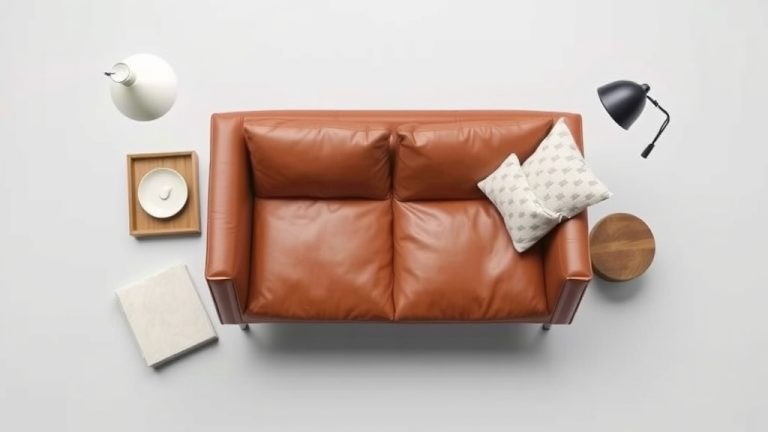
How to Clean an Italian Leather Sofa in November 2026
The easiest way to clean an Italian leather sofa is to vacuum it with a soft brush attachment, then wipe it down with a cloth dampened with mild soap and water. Finish with a quality leather conditioner to keep the leather soft and crack-free. That’s it — no fancy products required.
Italian leather is beautiful, but it’s also an investment, so it makes sense you want to protect it. We researched what leather care experts recommend and found that gentle, regular cleaning beats harsh scrubbing every time. The good news? It takes less effort than you probably think.
Quick Summary
- Vacuum your sofa weekly with a soft brush attachment to remove dust and crumbs.
- Wipe spills immediately with a dry, soft cloth — never scrub or soak the leather.
- Clean monthly using mild soap, water, and a microfiber cloth.
- Condition the leather every 3 to 6 months to prevent drying and cracking.
- Keep your sofa away from direct sunlight and heat vents to avoid fading.
Below, we break down everything you need to know about cleaning your Italian leather sofa, step by step. Let’s keep that gorgeous couch looking its best for years to come.
Cleaning Your Italian Leather Sofa the Right Way
The right way to clean Italian leather is simple: dry dust first, damp wipe second, condition last. Work gently, use minimal water, and never reach for bleach or all-purpose sprays. Leather is skin, after all — you wouldn’t scrub your own face with a kitchen sponge, right?
What You’ll Need Before You Start
Good news: you probably own most of this already. We found that the simplest toolkit works best for Italian leather.
- A vacuum with a soft brush attachment
- Two microfiber cloths (one for washing, one for drying)
- Mild dish soap or a pH-neutral soap like Castile
- A bucket or bowl of lukewarm water
- A quality leather conditioner
Skip anything with alcohol, ammonia, or bleach. Many experts warn these strip natural oils and leave leather dry and brittle over time.
Step 1: Vacuum Away Dust and Crumbs
Start with the cushions off and the crevices exposed. Popcorn kernels love to hide in there. Use your soft brush attachment and go slow along seams and stitching.
Why bother? Grit acts like sandpaper. Every time someone sits down, those tiny particles grind into the leather’s finish. Removing them first protects the surface before any liquid touches it.
Step 2: Spot-Test Your Soap Mix
Mix a few drops of mild soap into warm water. Before touching the whole sofa, test it on a hidden spot — the back or under a cushion works well.
Dab it on, let it dry, and check the next day. No discoloration or stiffness? You’re good to go. If anything looks off, switch to plain water or a dedicated leather cleaner.
Step 3: Wipe Down With a Damp Cloth
Dip your microfiber cloth in the soapy water and wring it out well. The cloth should be damp, not dripping. Excess water is leather’s enemy.
Wipe in gentle, circular motions, working one section at a time. Pay extra attention to armrests and headrests, where body oils build up fastest. Then follow with your dry cloth so no moisture lingers.
Step 4: Tackle Stains the Smart Way
Stains happen — kids, pets, red wine at book club. The key is acting fast and gently. Here’s a quick guide for the usual suspects:
| Stain Type | What To Do | What To Avoid |
|---|---|---|
| Fresh spill (food, drink) | Blot with a dry cloth immediately | Scrubbing or rubbing |
| Ink marks | Light dab of rubbing alcohol on a cotton swab | Soaking the area |
| Grease or oil | Sprinkle cornstarch, let sit, brush off | Soap and water right away |
| Water spots | Dampen the whole panel lightly and blend | Spot-drying with heat |
For tough or set-in stains, a professional leather cleaner is worth the call. One botched DIY attempt can cost more than a service visit.
Step 5: Condition to Keep Leather Supple
Cleaning removes dirt, but conditioning restores moisture. Think of it like lotion after a hot shower — your skin feels better, and so does your sofa.
Apply a small amount of leather conditioner with a clean cloth. Rub in circles, let it absorb for 10 to 15 minutes, then buff off the excess. Many experts recommend conditioning every 3 to 6 months, or monthly in dry climates.
How Often Should You Clean Leather Furniture?
Consistency beats intensity. A little effort on a regular schedule keeps dirt from ever becoming a problem.
- Weekly: Vacuum and wipe down with a dry cloth.
- Monthly: Full clean with damp cloth and mild soap.
- Every 3–6 months: Deep condition the entire sofa.
- Immediately: Blot any spill the moment it happens.
Research on indoor allergens suggests regular vacuuming also reduces dust and dander buildup on upholstered furniture (NIH), so your weekly pass helps your allergies too.
Mistakes That Can Ruin Italian Leather
We’ve seen (well, read about) plenty of well-meaning disasters. Avoid these and your sofa will thank you.
Using the Wrong Products
Baby wipes, vinegar, and multi-surface sprays are common culprits. Many contain alcohol or acids that dry out the finish. Stick to leather-safe products only.
Too Much Water
Sopping wet cloths cause water spots and can warp the leather over time. Damp is the keyword here. If your cloth drips when you lift it, wring it again.
Sunlight and Heat Damage
Placing your sofa next to a sunny window or heat vent dries and fades the leather. If rearranging isn’t an option, close blinds during peak sun hours.
Your Quick Leather Care Checklist
Pin this list somewhere handy. It covers 90% of daily care.
- Vacuum weekly with a soft brush head
- Blot spills the second they happen
- Wipe monthly with mild soap and a damp cloth
- Dry every surface right after cleaning
- Condition every 3 to 6 months
- Rotate cushions to prevent uneven wear
That last one is sneaky important. Rotating cushions spreads out the wear, so one seat doesn’t sag or fade before the others.
Keep It Simple, Keep It Soft
Caring for Italian leather isn’t complicated — it’s just consistent. Ten minutes a week and a conditioner session a few times a year is all it takes. Your sofa was an investment. A little routine keeps it paying you back in comfort for decades.
Conclusion
Your Italian leather sofa doesn’t need complicated care — it needs the right kind of care. Vacuum weekly, wipe with mild soap monthly, blot spills fast, and condition a few times a year. Skip the harsh chemicals and keep your couch out of direct sunlight. That’s the whole playbook, and we found that people who stick to this simple routine get decades of soft, good-looking leather out of their investment. So here’s your next step: grab two microfiber cloths and a bottle of leather conditioner today. Do one quick clean this weekend, set a reminder for your next conditioning, and let the routine do the rest.
Frequently Asked Questions
Can I use leather car cleaner on my Italian leather sofa?
It’s risky. Car leather is usually treated differently than furniture leather, and automotive products can leave a glossy residue or dry out your sofa’s finish. We recommend sticking with cleaners made specifically for furniture leather. If you’re unsure, test any product on a hidden spot first.
Why does my leather sofa smell, and how do I fix it?
Odors usually come from trapped spills, body oils, or pet dander in the grain. A vacuum followed by a mild soap wipe-down removes most surface smells. For stubborn odors, let the room air out and consider a professional cleaning before reaching for sprays, which can mask rather than fix the problem.
Is Italian leather better than other types of leather?
Italian leather is known for its soft feel and fine finish, thanks to traditional tanning methods. That quality also means it benefits from gentler care. The good news is the cleaning steps we covered work beautifully on it — and can actually help it look better with age.
Can I remove pet scratches from an Italian leather sofa?
Light surface marks often fade with a good cleaning and conditioning session. Deeper scratches usually need a leather repair kit or filler made for finished leather. For gouges or color loss, a professional repair is your safest bet to avoid making it worse.
How long should an Italian leather sofa last?
With consistent care, many quality Italian leather sofas last 15 to 25 years or more. Regular conditioning is the biggest factor — it keeps the leather from drying and cracking. Skipping that step is the most common reason leather furniture ages prematurely.