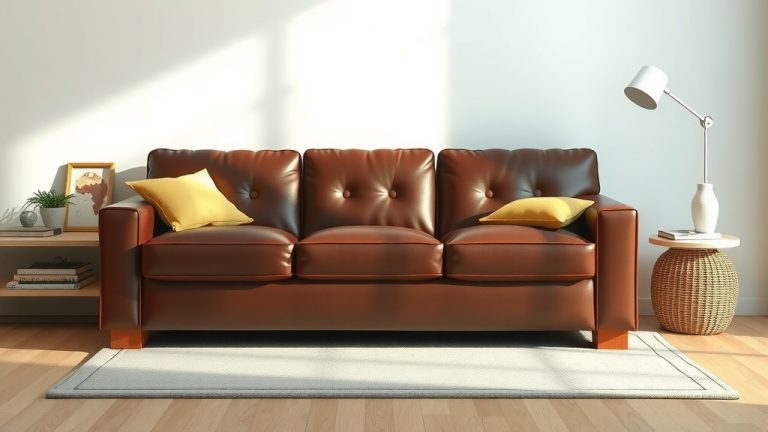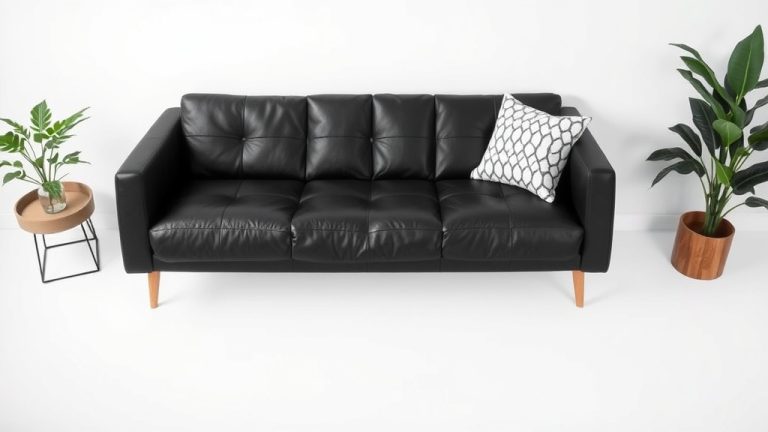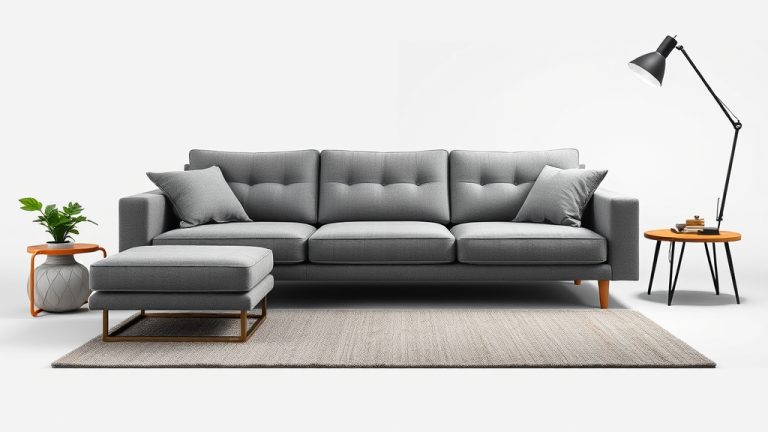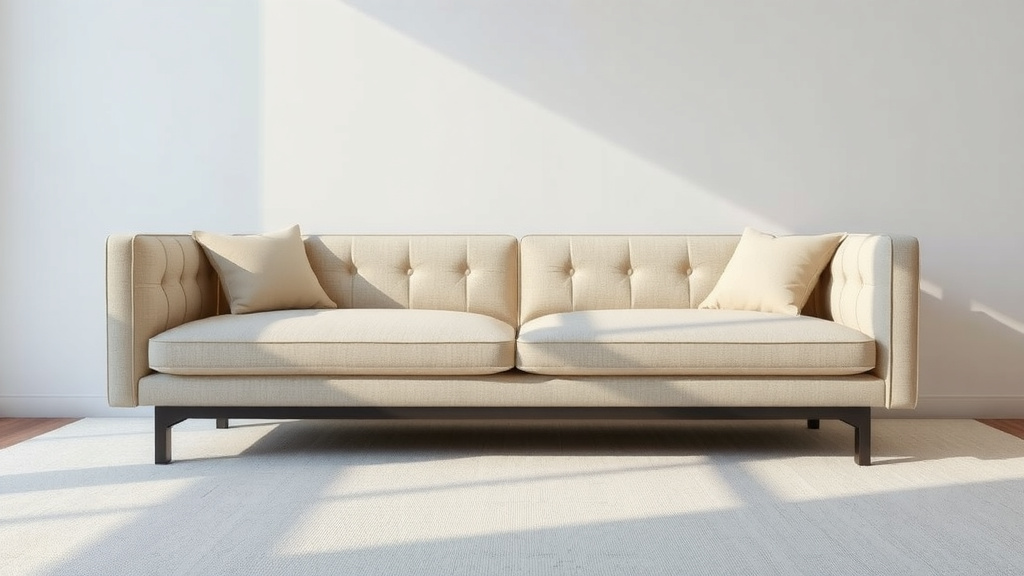
How to Calculate the Diagonal Depth of a Sofa in 3 Easy Steps
To calculate the diagonal depth of a sofa, measure the width, depth, and height, then run a tape from the bottom back corner of the frame to the top of the front arm at an angle. In simple terms, it’s the corner-to-corner measurement that tells you if your sofa can fit through a doorway on a tilt. Sounds odd, but it’s a real trick movers use all the time.
Why does this matter? Because many people measure width and depth, order the perfect couch, and then discover it won’t pivot through the front door. We researched common moving headaches and found that the diagonal depth is the number most folks skip — and the one that saves the day. If you’re buying a deep-seated sofa or dealing with a tight hallway, this little number is your best friend.
- Diagonal depth checks if your sofa can tilt through doors and around corners.
- You only need a tape measure and about two minutes.
- Measure from the bottom back corner to the top front of the arm.
- Experts recommend a diagonal depth under 32 inches for most doorways.
- It’s especially important for deep sofas and narrow hallways.
Let’s walk through exactly how this works, step by step, so you can measure with confidence before delivery day.
Measuring Diagonal Depth on Your Sofa the Right Way
The quickest method: lay your sofa on its back or measure standing, then run your tape from the bottom rear corner of the frame diagonally up to the highest point of the front arm. That number is your diagonal depth. We found that most people get it right on the first try once they know where the two points are.
Think of it like measuring the hypotenuse of a triangle, minus the scary math class memories. One corner to the opposite top edge. That’s it.
What You’ll Need Before You Start
Good news — this isn’t a big shopping trip. Grab these few things and you’re ready.
- A standard tape measure (25 feet is plenty, but even 12 feet works)
- A notepad or your phone for jotting numbers
- A helper, ideally — someone to hold the other end
- Good lighting so you can actually see the frame corners
- A level floor (measuring on carpet pile can throw things off slightly)
That’s the whole list. No calculator required unless you want to double-check with math later.
Step-by-Step: Getting the Measurement
Step 1: Clear the Area Around Your Sofa
Pull the sofa away from the wall at least a foot or two. You need room to reach behind it without folding yourself into a pretzel. Move the ottoman, the dog’s bed, whatever’s in the way.
Step 2: Find the Bottom Back Corner
Crouch down and locate the corner where the back of the sofa meets the floor. This is your starting point. On most frames, it’s the lowest rear edge of the base.
Step 3: Find the Top of the Front Arm
Now walk around front. The endpoint is the tallest point of the front-facing armrest — not the back cushion, not the seat. Just the arm.
Step 4: Stretch the Tape Diagonally
Run the tape in a straight line between those two points. Keep it taut and don’t let it sag. Write the number down in inches. Do it twice if you want certainty — measuring twice is cheap insurance.
Step 5: Add a Small Buffer
We found that professional movers often suggest adding an inch or two for sagging cushions, loose fabric, or wobbly legs. A sofa that measures exactly at your doorway’s limit is a sofa that’s about to ruin your afternoon.
Why This Measurement Matters More Than You’d Think
Here’s the secret: movers don’t always carry a sofa straight through a door. They tilt it. They turn it on its side, angle it, and snake it through like a reluctant cat into a carrier. Diagonal depth predicts whether that tilt actually works.
Many moving guides point out that a straight-on measurement only tells part of the story. It’s the diagonal that reveals whether the sofa can pivot in a narrow hallway. Skip it, and you might learn about it the hard way — on delivery day, with three strangers standing in your living room shrugging.
There’s real physics behind it, too. A rectangular box always has a longest diagonal that exceeds both its width and its length. That’s just geometry, and it’s the reason a 34-inch-deep sofa might still squeak through a 32-inch door when angled just right.
Diagonal Depth vs. Regular Depth: What’s the Difference?
People mix these up constantly. Regular depth is the straight front-to-back measurement across the seat. Diagonal depth is the corner-to-corner angle we just covered. One tells you how much floor space the sofa eats. The other tells you if it survives the doorway. Our full guide to measuring seat depth walks through that front-to-back method step by step.
| Measurement | What It Tells You | When It Matters Most |
|---|---|---|
| Width | Space across the sofa, arm to arm | Fitting the sofa into a wall spot |
| Depth | Front-to-back seat space | Room planning and walkway clearance |
| Height | Floor to top of backrest | Low ceilings, stairwells, tight entry ceilings |
| Diagonal depth | Corner-to-corner angle for tilting | Getting the sofa through doors and halls |
Notice the pattern? Each number answers a different question. The diagonal one answers the question you’ll regret not asking.

Will It Fit? Checking Against Your Doorway
Once you have your diagonal depth, compare it to the narrowest point of your route. Measure your door’s actual opening, not the door itself — hinges and stops eat space. Many experts say anything under about 32 inches of diagonal depth gives you a comfortable margin for standard 36-inch doors.
And don’t stop at the front door. Walk the full delivery path and look for these common pinch points.
- Interior doorways (often narrower than the front door)
- Hallway corners and tight turns
- Stairwells with low overhead clearance
- Elevator doors in apartments and condos
- That one awkward banister everyone forgets about
Measure each one. The sofa only has to fail at one spot to fail entirely.
Deep Sofas and Tight Spaces: Special Situations
Deep-seated sectionals and lounge-style sofas are the usual suspects here. Their extra depth makes the diagonal number balloon, even when the width looks fine. If you love that sink-in style but have a narrow entry, look for sofas under about 40 inches of regular depth. We found that this keeps the diagonal in a friendlier range for most homes.
Some manufacturers list diagonal depth right on their spec sheets. If it’s there, use it. If it’s not, ask customer service — good furniture companies know movers ask this question, and the honest ones will answer without making you feel silly for asking.
Common Measuring Mistakes to Avoid
These trip up almost everyone at least once. Learn them now, thank us later.
- Measuring to the back cushion instead of the front arm
- Forgetting that cushions compress but frames don’t
- Measuring the door frame instead of the actual opening
- Skipping the hallway and stairwell check
- Assuming a sofa will “squeeze” — wood doesn’t bend
- Trusting memory instead of writing numbers down
One more: don’t round down. A 31.5-inch measurement is not 31 inches of clearance luck. It’s 31.5 inches, and your door doesn’t do rounding.
Your Pre-Purchase Measurement Checklist
Before you click “buy,” run through this quick list. Two minutes now beats a return shipping fee later.
- Measure the sofa’s width, depth, height, and diagonal depth
- Measure every doorway along the delivery path, both doors open and closed
- Measure hallway widths at their narrowest points
- Check stairwell turns and ceiling heights if stairs are involved
- Add 1–2 inches of buffer to every sofa measurement
- Confirm the specs with the retailer in writing if the sofa is close to your limits
Print it, save it, or text it to yourself. Future-you, sprawled happily on a sofa that actually made it inside, will be grateful.
Conclusion
That’s the whole trick, really. One tape measure, two corners, and two minutes of your time. Once you know the diagonal depth, you’ll never sweat delivery day again. You’ll know your sofa can tilt through that stubborn hallway before it ever leaves the warehouse. We’ve seen too many people fall in love with a couch online, skip this step, and pay for it later — literally, in return fees. Don’t be that person. Grab your tape measure tonight, jot down the number, and compare it to every door on the delivery route. Then shop with total confidence.
Frequently Asked Questions
What is a good diagonal depth for a sofa?
Most homes do well with a diagonal depth under 32 inches. That gives you comfortable clearance through a standard 36-inch door with room to spare. If your entry is tighter than average, aim even lower and measure every pinch point along the route.
Can I calculate diagonal depth with math instead of measuring?
You can, using the Pythagorean theorem on the sofa’s depth and height. But we found that a real tape measurement is more reliable. Frames, arms, and legs add quirks that a simple formula misses, so trust the physical measurement over the math.
Does diagonal depth apply to sectionals and recliners too?
Absolutely. Any piece that has to fit through a doorway benefits from this measurement, and sectionals often have the deepest seats. Recliners add another wrinkle because their footrests and backs extend when open. Measure the piece in its shipping position, then check the fully reclined footprint for the room itself.
What if my sofa’s diagonal depth is bigger than my doorway?
Don’t panic yet. Movers can sometimes remove legs, cushions, or even the door itself to gain an inch or two. If the gap is still too large, look for a sofa with modular pieces or flat-pack delivery options. Many brands now design specifically for tight entries.
Do I need to measure diagonal depth for a second-floor apartment?
Yes, and you should add a few extra checks. Stairwell turns, landings, and narrow apartment hallways create tighter constraints than a front door. Measure the diagonal depth of the sofa, then compare it to every turn on the way up. If any landing looks doubtful, ask the building manager about the service elevator first.