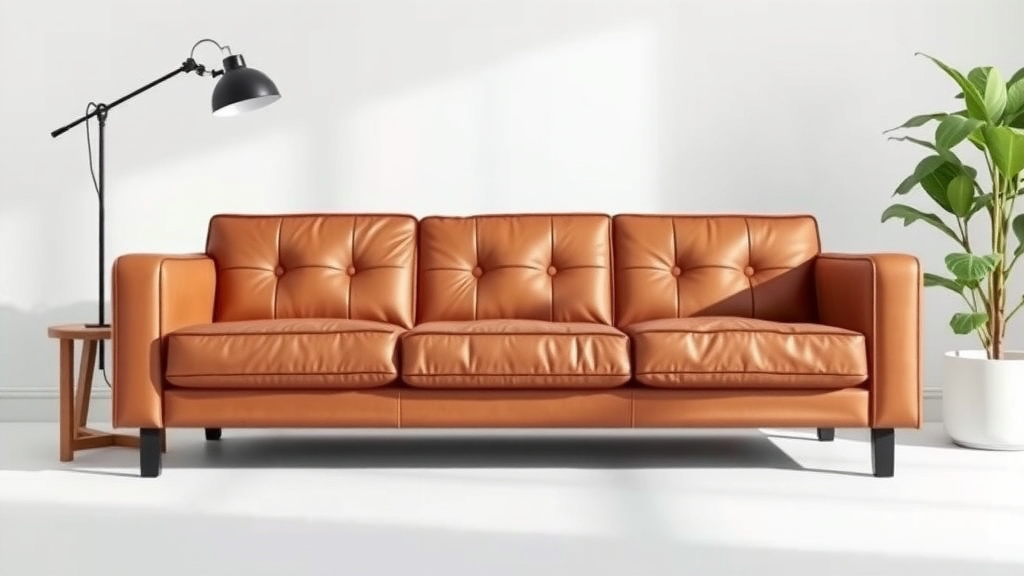
How to Clean an American Leather Sofa: Easy Steps Guide
The easiest way to clean an American leather sofa is to vacuum it with a soft brush attachment, then wipe it down with a slightly damp cloth and a small amount of gentle leather conditioner. No harsh chemicals needed. That simple routine handles most everyday messes.
Here’s the thing: leather isn’t like fabric. It can dry out, crack, or stain if you use the wrong products, so what you clean it with matters just as much as how often. We researched what leather care experts recommend and found that a few gentle habits go a long way toward keeping your sofa soft and spot-free for years.
Wondering what to do about spills, ink marks, or that mystery stain from movie night? Don’t worry. We’ve got you covered.
- Quick weekly care: vacuum and wipe with a damp microfiber cloth
- Deep cleaning: use a mild soap solution, never all-purpose cleaners
- Stains: blot immediately, don’t scrub or rub
- Conditioning: treat your leather every 6 to 12 months to prevent cracking
- What to avoid: bleach, ammonia, and direct sunlight
Below, we break down everything you need to know about cleaning leather sofas, step by step. Grab a soft cloth, and let’s get your sofa looking brand new again.
Cleaning Your American Leather Sofa the Right Way
Start with the gentlest method first: vacuum, then wipe with a damp cloth. Most leather sofas need nothing more aggressive than that. Save the heavy-duty stuff for actual stains.
Think of it like washing your face. You wouldn’t scrub with a kitchen sponge, right? Your leather deserves the same gentle touch.
What You’ll Need Before You Start
Good news. You probably own everything already. We found that leather care doesn’t require fancy products, just the right basics.
- A vacuum with a soft brush attachment
- Microfiber cloths (two or three, so you always have a clean one)
- Mild dish soap, like a basic unscented kind
- A bucket of lukewarm water
- Leather conditioner rated for finished leather
- Distilled water for stain work (tap water can leave mineral marks)
Your Weekly Cleaning Routine
Consistency beats intensity here. A few minutes each week keeps dust and body oils from building up. Here’s the simple version:
- Vacuum the cushions, seams, and crevices where crumbs love to hide
- Wipe the whole sofa with a slightly damp microfiber cloth
- Dry immediately with a second, soft cloth
- Rotate your cushions so wear stays even
- Fluff cushions to keep the filling from flattening
That’s it. Five minutes, tops. Skip this for a month and you’ll notice a dull, dusty film that’s harder to remove.
Deep Cleaning Your Leather Sofa
Plan on a deeper clean every one to three months, depending on how much your sofa gets used. Kids and pets? Lean toward every month.
Step 1: Vacuum Everything
Use your soft brush attachment and go slow. Pay extra attention to seams and tufted areas. Crumbs and dust love to settle there, and dragging them across leather during wiping causes tiny scratches.
Step 2: Make a Mild Soap Solution
Mix a few drops of mild dish soap into a bowl of lukewarm water. You want it barely sudsy. Many experts say a weak soap solution is the safest homemade option for finished leather.
Dip a cloth, wring it out well, and wipe in gentle circular motions. The cloth should be damp, not dripping.
Step 3: Rinse and Dry
Wipe away soap residue with a clean, water-dampened cloth. Then dry the surface right away with a soft towel. Never let water sit on leather, since standing moisture can cause water spots and stiffness.
How to Treat Common Leather Stains
Blot first, always. Rubbing pushes the stain deeper and spreads it around. We found that most household stains respond well to quick, calm action.
| Stain | What To Do | What To Avoid |
|---|---|---|
| Food or drink spills | Blot with a dry cloth, then wipe with a damp one | Scrubbing or soaking the area |
| Ink marks | Dab lightly with a cotton swab and a tiny bit of rubbing alcohol | Pressing hard or using pens to “cover” it |
| Grease or oil | Sprinkle a little cornstarch, let it sit, then brush off | Wiping immediately, which spreads the oil |
| Urine or pet accidents | Blot fast, wipe with the soap solution, dry thoroughly | Harsh cleaners or ammonia products |
| Water spots | Lightly dampen the whole panel evenly and let it dry | Spot-drying with heat |
One tip worth repeating: blot, don’t rub. Say it to yourself as the soda hits the cushion.
Conditioning: The Step Everyone Skips
Here’s where most people go wrong. Cleaning removes dirt, but conditioning keeps leather soft and flexible. Skip it, and your sofa slowly turns stiff and cracked, like an old baseball glove left in the garage. Our broader guide to leather sofa care covers conditioning schedules, spill response, and sun protection in one place.
Condition every 6 to 12 months. Choose a conditioner made for finished leather, test it on a hidden spot first, and apply a thin layer with a soft cloth in circular motions.
Wait a few minutes, then buff off any excess. Your leather should feel supple, not greasy.
Things That Can Ruin Your Leather Sofa
Some mistakes are permanent. We found these are the biggest offenders, according to leather care professionals:
- Bleach and ammonia strip the leather’s protective finish
- All-purpose sprays and glass cleaners dry out the surface
- Sitting too close to heaters or air vents causes cracking
- Direct sunlight fades and dries leather over time
- Sharp pet claws and zipper edges create permanent scratches
- Letting spills sit overnight (yes, even water)
Keep Your Sofa Away From Sunlight
Placement matters more than you’d think. A sofa parked in front of a sunny window will fade unevenly, and faded leather can’t be restored easily. The Cleveland Clinic notes that UV exposure damages materials over time, and leather is no exception.
If moving the sofa isn’t an option, close the blinds during peak sun hours or use a UV-blocking window film. Small change, big difference.
Special Care for Aniline and Unfinished Leather
Not all leather is the same. American leather brands like American Leather and others often use protected or semi-aniline finishes, which handle water fine. But some sofas use aniline leather, which soaks up liquid instantly.
How do you know what you have? Dab a tiny drop of water on a hidden spot. If it absorbs quickly and darkens, treat it as aniline. Use only barely damp cloths and condition more often, and skip soap entirely.
Still unsure? Check your sofa’s care tag or the manufacturer’s website. It takes two minutes and can save you a costly mistake.
Your Quick Sofa Care Checklist
Print this mentally. Pin it to the fridge if you have to:
- Vacuum weekly with a soft brush head
- Wipe down monthly with a damp microfiber cloth
- Deep clean with mild soap every 1 to 3 months
- Condition every 6 to 12 months
- Blot spills within minutes, never scrub
- Keep the sofa away from heat vents and sunlight
Conclusion
Caring for an American leather sofa comes down to a few gentle habits: vacuum weekly, wipe with a damp microfiber cloth, deep clean with mild soap every couple of months, and condition twice a year. Blot spills fast, keep harsh chemicals far away, and mind where the sunlight hits. We found that consistency matters far more than expensive products. Your sofa doesn’t need a professional every month. It needs five minutes of your attention each week. So grab two microfiber cloths, set a recurring reminder on your phone, and start your routine today. Your leather will thank you for years to come.
Frequently Asked Questions
Can I use baby wipes or Clorox wipes on my leather sofa?
We recommend skipping both. Many wipes contain alcohol or chemicals that strip the leather’s finish over time, leaving it dry and dull. Stick with a damp microfiber cloth and a drop of mild soap instead.
How do I remove body oil buildup from the headrest area?
Headrests collect oil faster than anywhere else on the sofa. Wipe the area weekly with a lightly damp cloth, and use your mild soap solution during deep cleans. Conditioner afterward helps restore moisture the oil stripped away.
Why does my leather sofa squeak, and can cleaning fix it?
Squeaks usually come from the frame or springs, not the leather itself. Cleaning won’t fix it, but conditioning the leather can quiet minor rubbing between cushions. If the noise persists, check the frame bolts underneath.
Is it safe to use coconut oil or olive oil as a leather conditioner?
We advise against it. Kitchen oils can turn rancid, leave greasy stains, and attract dust. A conditioner made for finished leather costs about the same and won’t risk damaging your sofa.
Can I hire a professional to clean my leather sofa, and is it worth it?
Yes, and for many people it’s a smart move once a year or so. Professionals can spot damage early and treat stubborn staining safely. Between visits, your simple home routine keeps the work easy for them and affordable for you.