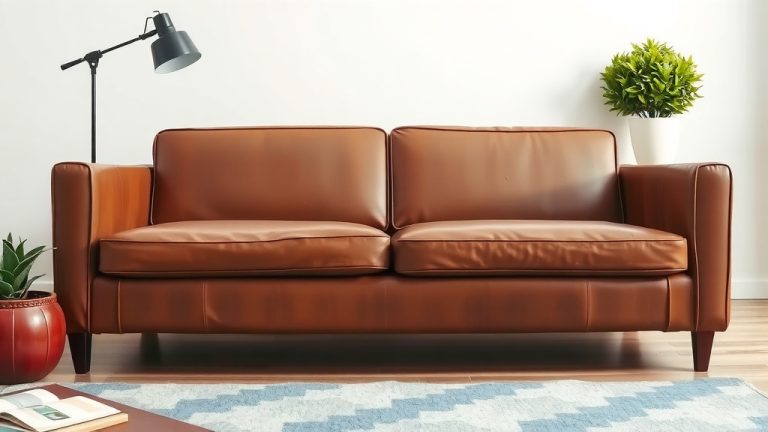
How to Clean a Genuine Leather Sofa Without Damaging It
The easiest way to clean a genuine leather sofa is to vacuum it first, then wipe it down with a soft cloth dampened with mild soapy water, and finish with a leather conditioner. That’s it. No fancy products, no scrubbing, no panic.
But here’s the thing — leather isn’t fabric. It needs a gentle touch, and using the wrong cleaner (hello, bleach wipes) can dry it out or leave stains you’ll stare at forever. We researched what leather care experts recommend and found that regular light cleaning beats deep-cleaning disasters every time. Spills happen, dust happens, life happens — your sofa can handle it if you know the right moves.
- Always vacuum or dust the sofa before applying any cleaner.
- Use mild soap and water — never harsh chemicals or all-purpose sprays.
- Wipe spills right away so they don’t soak in and stain.
- Condition your leather every 6–12 months to keep it soft and crack-free.
- Keep your sofa away from direct sunlight and heat vents.
Below, we break down everything you need to know about cleaning a genuine leather sofa — step by step, without the guesswork. Let’s get your couch looking (and smelling) like new again.
Cleaning a Genuine Leather Sofa the Right Way
The safest routine is simple: dust, wipe with soapy water, dry, and condition. That’s the whole recipe. We found that most leather damage comes from doing too much, not too little — so go gentle and go slow.
What You’ll Need Before You Start
Grab your supplies first so you’re not hunting for things mid-clean. Most of this is already in your kitchen.
- A vacuum with a soft brush attachment
- Microfiber cloths (you’ll want several)
- Mild dish soap, like a gentle unscented formula
- A bucket of lukewarm water
- Distilled water if your tap water is hard
- A quality leather conditioner
Step-by-Step: How to Clean Your Leather Couch
Step 1: Vacuum and Dust the Surface
Start dry. Use the soft brush head to vacuum cushions, seams, and crevices. Crumbs and grit act like sandpaper, so this step protects the finish. Don’t skip under the cushions — that’s where the popcorn lives.
Step 2: Wipe Down With Mild Soapy Water
Mix a few drops of mild soap into lukewarm water. Dip a cloth, wring it out well, and wipe in soft circles. The cloth should be damp, not dripping. Too much water soaks into leather and causes stiffness and spots.
Step 3: Rinse and Dry Properly
Wipe again with a clean cloth dampened with plain water. This removes any soap film. Then buff dry with a fresh towel. Never let leather air-dry soaked, and never point a hair dryer at it — heat cracks the surface.
Step 4: Condition the Leather
Once the sofa is fully dry, apply conditioner with a soft cloth using small circles. Let it absorb, then buff off the extra. Conditioning keeps leather soft and flexible, much like lotion does for your hands. Many experts suggest conditioning every 6 to 12 months.
How to Remove Stains From Genuine Leather
Blot spills immediately with a dry cloth — pressing, not rubbing. Speed matters more than product. We found that most fresh spills lift easily if you catch them within minutes.
Common Stains and Safe Fixes
| Stain | What to Do | What to Avoid |
|---|---|---|
| Food or grease | Blot with a dry cloth, then soapy water | Scrubbing or dish degreasers |
| Ink | Dab lightly with rubbing alcohol on a cotton swab | Soaking the spot or rubbing hard |
| Coffee or juice | Blot fast, then wipe with soapy water | Letting it air-dry on the surface |
| Blood | Cool damp cloth, blot gently | Hot water, which can set it |
| Urine or pet mess | Blot, clean with soapy water, deodorize nearby | Enzyme sprays made for fabric |
For ink stains, less is more. A barely damp swab works better than a soaked one. If a stain won’t budge, a professional leather cleaner is worth the money — one bad DIY attempt can be permanent.
Tough Spots That Need Extra Care
Mold and mildew need quick attention. Wipe the area with a cloth dampened with diluted rubbing alcohol and water, then dry it fully. Keep the room ventilated, since damp rooms feed mold growth (CDC). If the smell lingers, treat the whole room, not just the sofa.
What Not to Use on Genuine Leather
This is where people wreck perfectly good couches. Leather is skin — treat it like your own face. Would you scrub your cheek with bleach? Exactly. Light-toned finishes need extra care, and our cream leather sofa guide covers the gentlest methods for them.
- Harsh chemicals — bleach, ammonia, and all-purpose sprays strip the finish
- Alcohol wipes in bulk — small dabs for ink only, never a full wipe-down
- Vinegar at full strength — it can dry and dull the leather
- Baby wipes — many contain oils and chemicals that build up over time
- Furniture polish — it’s for wood, not leather
- Excess water — soaked leather stiffens and stains as it dries
How Often Should You Clean a Leather Sofa?
Here’s a simple schedule that keeps your couch happy without turning cleaning into a hobby.
| Task | How Often |
|---|---|
| Dust or vacuum | Weekly |
| Wipe with soapy water | Monthly |
| Condition | Every 6–12 months |
| Deep professional clean | Once a year, if needed |
Everyday Habits That Keep Leather Looking New
Cleaning is only half the game. Prevention is the other half, and honestly, it’s the easier half.
- Keep the sofa out of direct sunlight — UV rays fade and dry leather
- Move it away from heat vents and radiators
- Blot spills the moment they happen
- Rotate cushions monthly so wear stays even
- Trim pet nails and skip rough play on the couch
- Keep a soft cloth in a nearby drawer for quick wipe-downs
Can You Use Household Products on Leather?
Sometimes, yes — but carefully. Mild dish soap and water are fine. So is diluted rubbing alcohol for tiny ink spots. Before using anything new, test it on a hidden spot, like the back or underside of a cushion. Wait a few hours. No color change, no stiffness? You’re good to go.
When to Call a Professional Leather Cleaner
Some jobs are better left to the pros. We found that calling in an expert usually costs less than replacing a sofa, so don’t feel bad about it.
- Deep-set stains that survived your best DIY effort
- Large mold or mildew patches
- Cracking or peeling across big areas
- Lingering odors you can’t trace
- Any sofa still under warranty — DIY cleaners can void it
Quick Leather Cleaning Checklist
Pin this list somewhere handy. It covers the whole routine in under a minute of reading.
- Vacuum seams, cushions, and crevices first
- Wipe with mild soapy water — damp cloth, never soaked
- Rinse with plain water, then buff dry
- Blot spills the second they happen
- Condition every 6–12 months
- Test any new product in a hidden spot first
Conclusion
Cleaning a genuine leather sofa comes down to three things: gentle soap, quick spill response, and regular conditioning. Skip the harsh chemicals, keep water to a minimum, and your couch will reward you with years of good looks. We found that the people who struggle with leather are usually the ones who scrub too hard or grab the wrong product — not the ones who clean too often. A weekly dusting and a monthly wipe-down take minutes, not hours. And when a stain looks bigger than your confidence? Call a pro. Your next step is simple: grab a microfiber cloth and a bottle of leather conditioner, and give your sofa the 15-minute once-over it’s probably begging for.
Frequently Asked Questions
Can I use saddle soap on my leather sofa?
We’d skip it. Saddle soap is made for tack and boots, and it can be too alkaline for furniture leather, drying it out over time. Stick with mild dish soap and water, then follow up with a conditioner made specifically for upholstery leather.
Why does my leather sofa feel sticky after cleaning?
Stickiness usually means soap residue was left behind or too much product was applied. Wipe the area again with a clean, damp cloth and buff it dry. Going forward, use less soap than you think you need and always do a final rinse pass.
Is coconut oil or olive oil a good leather conditioner?
No — we’d steer clear. Household oils can turn rancid, darken the leather permanently, and attract dirt. A proper leather conditioner is formulated to absorb cleanly, and it usually costs about the same as a bottle of cooking oil anyway.
How do I clean leather sofa seams and stitching?
Use a soft brush, like a clean toothbrush, and gently sweep along the seams to lift trapped dust. Follow with a barely damp cloth to pick up anything left behind. Avoid poking or scrubbing the stitching itself, since worn threads are hard to repair.
Can leather sofa cushions be washed in a washing machine?
Never. Genuine leather will stiffen, crack, and shrink in water and heat. If cushion covers are removable, check the tag first — if any part is leather, spot-clean only. Fabric backs attached to leather seats should be cleaned by hand too.