How to Clean a Sofa at Home Without a Machine: Easy Guide
The easiest way to clean a sofa at home without a machine is to vacuum with a brush attachment, spot-treat stains with a mild soap solution, and let it air dry. No fancy equipment needed. Just a few basic supplies you probably already have in your kitchen.
Maybe your machine broke down, or maybe you never owned one. Either way, you’re in good hands. We researched cleaning methods that fabric experts and upholstery pros recommend, and we found that simple household items like dish soap, white vinegar, and baking soda can handle most sofa messes. From crumbs and pet hair to mystery stains, there’s a fix for nearly all of it.
TL;DR
- Start by vacuuming or brushing away loose dirt and crumbs.
- Check your sofa’s care tag before using any cleaning solution.
- Spot-treat stains with dish soap, vinegar, or baking soda.
- Blot, don’t scrub, so you don’t push stains deeper.
- Let your sofa air dry fully before sitting on it again.
Below, we break down everything you need to know about cleaning your sofa without a machine, step by step. Grab a bowl, a few cloths, and let’s get that couch looking fresh again.
Cleaning Your Sofa by Hand, Step by Step
You can get a genuinely clean couch with nothing more than a vacuum, cloths, and a few pantry staples. The whole process takes about an hour of hands-on work. Let’s walk through it together.
Step 1: Clear the Sofa and Vacuum Everything
Remove cushions, throws, and anything hiding in the crevices. (We found a fork under one couch cushion once. No judgment.) Then vacuum the entire piece, including the underside and skirt, using your brush attachment.
What If You Don’t Have a Vacuum?
Use a stiff brush and a lint roller instead. Sweep crumbs toward one edge, scoop them into a dustpan, then roll the fabric. A rubber glove rubbed over the surface also pulls up pet hair surprisingly well.
Step 2: Read Your Care Tag
Flip a cushion and find the tag. Those letters actually matter. Here’s the quick decoder:
| Tag Code | What It Means | Your Best Move |
|---|---|---|
| W | Water-based cleaners okay | Dish soap or vinegar solutions |
| S | Solvent only | Use a dry solvent sparingly, ventilate well |
| WS | Either works | Start with the gentlest option |
| X | Vacuum or brush only | No liquids at all, call a pro for stains |
If the tag is missing, test any cleaner on a hidden spot first, like the back or under a cushion. Wait for it to dry before moving on.
Step 3: Spot-Treat Stains the Right Way
Here’s the golden rule: blot, never scrub. Scrubbing grinds the stain deeper into the fibers, like rubbing a pencil mark into paper. Use a white cloth so you don’t transfer dye.
General Food and Drink Stains
Mix two cups of cool water with a tablespoon of dish soap. Dip a cloth, wring it nearly dry, and blot from the outside of the stain inward. Many cleaning guides, including ones from the Institute of Inspection Cleaning and Restoration Certification, recommend working this way to keep stains from spreading.
Grease and Oil Marks
Sprinkle baking soda or cornstarch on the spot and let it sit 15 minutes. It absorbs the oil like a sponge soaks up spills. Vacuum it away, then follow with the soap solution if a shadow remains.
Pet Accidents and Odors
Blot up as much moisture as you can, then spray a mix of equal parts white vinegar and water. Let it sit five minutes and blot again. Sprinkle baking soda on top once it’s damp-dry, and vacuum after a few hours.
Step 4: Deodorize With Baking Soda
Even a spotless couch can hold onto smells. Sprinkle baking soda across the whole sofa, cushions and all, and let it sit for at least 20 minutes. Overnight is even better if you can swing it. Vacuum thoroughly afterward. It’s cheap, gentle, and it works. For stubborn pet odors that baking soda alone won’t fix, our guide to getting urine smell out of a sofa covers enzymatic cleaners.
Step 5: Rinse and Dry Completely
Wipe cleaned areas with a cloth dampened in plain water to remove soap residue. Leftover soap actually attracts dirt, which is the last thing you want. Then let the sofa air dry with windows open or a fan nearby.
Sitting on a damp couch pushes moisture deep into the cushion, and damp upholstery can grow mold. The CDC notes that moisture control is key to preventing mold growth indoors. Give it several hours, or overnight, before you get comfy again.
Deep Cleaning Different Sofa Types Without Equipment
Not all couches are created equal. The fabric under you changes the game plan, so here’s how to handle the most common ones.
Fabric and Microfiber Sofas
Microfiber responds well to a slightly damp cloth and rubbing alcohol for water-safe spots, or vinegar for water-sensitive ones. Wait, that sounds backwards, right? On microfiber, water can leave rings, while alcohol evaporates fast and dries clean. Brush the fibers afterward with a soft brush to keep the texture even.
Leather Sofas
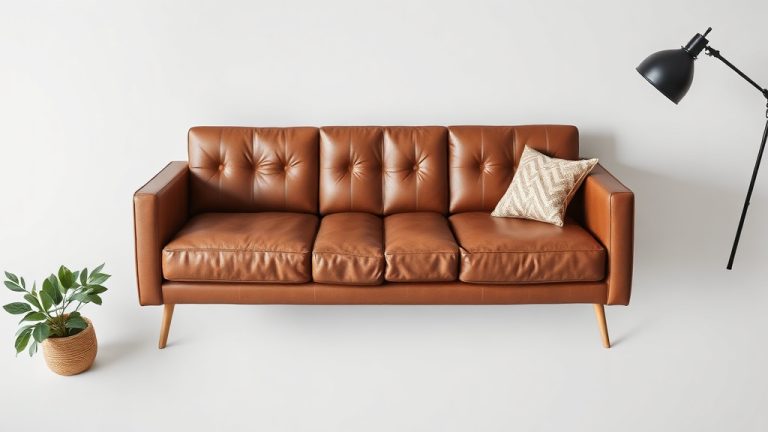
Skip the soap. Wipe leather with a cloth barely dampened with distilled water and mild face soap, then dry immediately. Finish with a leather conditioner every six months or so to prevent cracking. Think of it as moisturizer for your couch.
Your Pre-Cleaning Checklist
Before you start, run through this quick list. Five minutes of prep saves an hour of regret.
- Check the care tag and note the letter code (W, S, WS, or X).
- Test your cleaner on a hidden area and let it dry.
- Gather white cloths, dish soap, vinegar, baking soda, and a bowl.
- Remove cushions and vacuum or brush the whole sofa.
- Open windows or set up a fan for drying.
- Keep pets and kids away from wet cleaning spots.
Common Mistakes That Ruin Sofas
We found that a few avoidable errors cause most DIY disasters. Watch out for these.
- Soaking the fabric. Wet cushions dry slowly and can mildew from the inside out.
- Using hot water on mystery stains. Heat can set protein stains like blood or milk permanently.
- Skipping the spot test. Bleeding dye is permanent once it happens.
- Using colored cloths. Dyes can transfer onto light upholstery.
- Scrubbing in circles. It distorts fibers and spreads the stain wider.
When in doubt, go gentle and patient. Multiple light treatments beat one aggressive scrub every single time.
Conclusion
Cleaning a sofa without a machine isn’t a compromise. It’s honestly all most couches need. You’ve learned to check your care tag, vacuum first, blot stains with pantry staples, and deodorize with baking soda. We researched these methods and found that patience beats power every time.
The biggest wins come from what you don’t do. Don’t soak, don’t scrub, and don’t skip the spot test. Do that, and your couch can look genuinely fresh with about an hour of effort.
So here’s your next step: flip that cushion and check the tag today. Then run through the pre-cleaning checklist and give your sofa the attention it’s been asking for.
Frequently Asked Questions
How often should I deep clean my sofa by hand?
For most households, a thorough hand cleaning every three to six months works well. Spot-treat spills right away, and do a quick vacuum weekly. Homes with pets or kids may need a deeper session monthly.
Can I use laundry detergent instead of dish soap on my couch?
It’s risky. Laundry detergent is formulated to be stronger and can leave residue that attracts dirt or irritates skin. Stick with clear dish soap diluted in water, since it rinses out more easily and is gentler on fibers.
What can I do about sofa stains that won’t come out?
If two gentle attempts haven’t worked, stop trying. Repeated treatments can damage fibers and spread the stain. At that point, an upholstery professional has solvents and tools we don’t, and one visit often costs less than reupholstering.
Is it safe to use hydrogen peroxide on a sofa?
Only with caution. Hydrogen peroxide can bleach or lighten fabric, especially darker dyes. If your care tag allows water-based cleaners and you want to try it, test it on a hidden spot first and check for color change once it dries.
How do I keep my sofa clean longer between cleanings?
A few small habits go a long way. Vacuum weekly, rotate and flip your cushions monthly, and keep food and drinks off the couch. A washable throw blanket over high-traffic seats catches most of the daily grime, too.