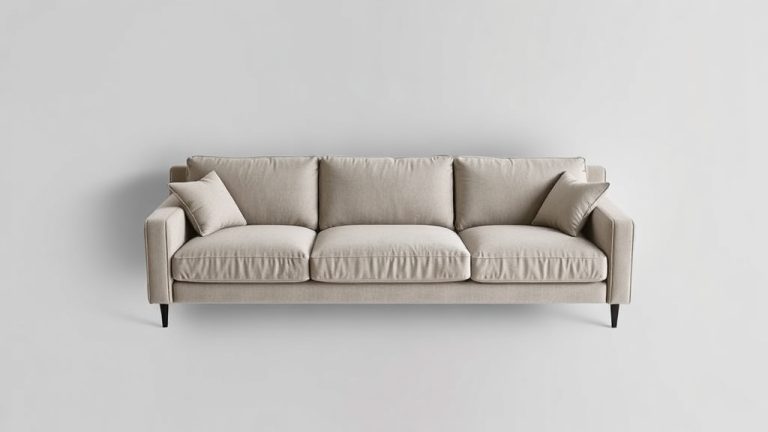
How to Clean Human Urine from a Sofa: A Complete Guide
The easiest way to clean human urine from a sofa is to blot the area with paper towels, spray it with a mix of white vinegar and water, let it sit for 10 minutes, then blot again and sprinkle baking soda on top to pull out the leftover moisture and smell. Once it’s dry, vacuum the baking soda away. That’s it. No fancy gadgets needed.
Here’s the catch, though. If urine soaks deep into your couch cushions, it can leave behind a smell that keeps coming back. We researched what actually works, and many experts say the key is treating the stain fast and using an enzyme cleaner for stubborn odors. You’ll also want to know which fabrics can handle water and which ones can’t. Trust us, your nose will thank you later.
- Blot fresh urine right away. Never rub, since that pushes it deeper.
- Vinegar and water break down the smell on most fabric sofas.
- Baking soda absorbs moisture and odor overnight.
- Enzyme cleaners work best for old or set-in stains.
- Always check your sofa’s care tag before using any liquid.
Below, we walk through every step in plain English. We’ll show you what to do for fresh accidents, old stains, and those mystery spots you just discovered. Let’s get your sofa smelling normal again.
Cleaning Human Urine Out of Your Sofa, Step by Step
Here’s the full playbook. Blot first, clean second, deodorize last. That order matters more than any fancy product you could buy. Skip a step, and you’ll likely be doing this all over again next week.
Supplies You’ll Want on Hand
Good news. You probably own everything already. We found that most effective urine cleanup relies on plain household items, not specialty gadgets.
- Paper towels or clean, dry rags (a lot of them)
- White vinegar and cool water
- Baking soda, the big box, not the little shaker
- Dish soap, just a drop or two
- A spray bottle and a vacuum with an upholstery attachment
- An enzyme cleaner for stubborn spots
Fresh Accidents: Act Fast
Speed is your best friend here. The moment urine soaks in, it starts leaving behind uric acid crystals. Those crystals are what keep the smell alive long after the spot looks dry (NIH).
Blot Like You Mean It
Press down hard with paper towels. Then step on them with your palm or even your foot for extra pressure. Why? Because pushing down pulls liquid up, while rubbing just grinds it deeper into the fibers. Think of it like mopping up a spilled drink on carpet. Same rules apply.
Keep swapping to fresh towels until the paper comes away barely damp. If it’s a cushion, flip it and blot the underside too. Urine travels downward. It doesn’t politely stay where it landed.
Old Stains Need a Different Plan
Found a mystery smell but no visible stain? Old urine often hides. Start by lightly misting the area with plain water to reactivate the salts, then blot. After that, apply your vinegar solution or an enzyme cleaner and give it more time than you think it needs. Many enzyme products ask for 24 hours of dwell time. We found that patience is honestly the hardest ingredient to use.
Check Your Care Tag Before Anything Wet
Flip a cushion or peek under the sofa. That little tag with letters on it? It’s your permission slip. Wet cleaning a fabric that hates water can leave rings, shrinking, or worse. Many upholstery care guidelines treat these codes as the final word (Mayo Clinic). Our guide to decoding sofa fabric cleaning codes explains what each letter means.
Cleaning Codes, Decoded
| Code | What It Means | What You Can Use |
|---|---|---|
| W | Water-safe fabric | Vinegar mix, soapy water, enzyme sprays |
| S | Solvent only | No water. Use a dry solvent cleaner |
| WS | Either works | Water or solvent, but test first |
| X | Vacuum only | No liquids at all. Call a pro |
No tag? Test your cleaning mix on a hidden spot, like the back edge or under the skirt. Dab, wait, and check for color change. Better a tiny test than a giant bleach-looking circle in the middle of your couch.
When the Smell Won’t Budge
You cleaned it. It dried. Then your nose says otherwise on a humid day. Sound familiar? That’s the uric acid crystals doing their thing. Plain soap and vinegar can mask them, but they don’t fully break them down.
Why Enzyme Cleaners Win
Enzyme cleaners contain proteins that digest the urine itself, rather than covering it up. Think of them as tiny pac-men eating the smell instead of spraying perfume over it. Many cleaning experts rank enzyme treatments as the top choice for set-in pet and human urine odors (Cleveland Clinic notes similar approaches for odor-causing bacteria in the home).
Two rules make them work. First, the spot must stay moist while enzymes do their job, so cover it with a damp cloth if it dries early. Second, keep the area free of other cleaners. Mixing products can deactivate the enzymes before they finish eating.
Don’t Forget These Often-Missed Spots
The cushion top is only half the story. Urine is a sneak. It seeps through fabric, into foam, past zippers, and onto the frame below. If you only clean the surface, you’ve washed the wrapper and kept the candy.
Cushion Covers and Frames
Removable covers are your lucky day. Check the tag, and if it says machine washable, unzip and wash in cold water with a splash of vinegar. Air dry them. Heat can lock odors in and shrink fabric. Our step-by-step guide to washing sofa covers walks through labels, cycles, and drying.
For the foam inside, blot it as much as possible, then treat with enzyme cleaner and let it dry completely. Standing the cushion on its edge near a fan speeds things up. A damp cushion left in a corner is a mold invitation, and nobody wants that.
Your Quick-Reference Checklist
Print this or screenshot it. When an accident happens, nobody wants to scroll through articles mid-crisis.
- Check the care tag and test any liquid on a hidden spot.
- Blot fresh urine with firm pressure until towels come up dry.
- Spray with vinegar and water, wait 10 minutes, blot again.
- Sprinkle baking soda, let it sit overnight, then vacuum.
- Use an enzyme cleaner for any smell that survives the first round.
- Check the foam, seams, and frame before calling the job done.
One last thought from our digging. Sofas with a “W” tag forgive almost anything. Sofas marked “X” don’t, so for those, save yourself the headache and let a professional upholstery cleaner handle it. It costs more up front, but it beats replacing the whole couch.
Conclusion
Urine on your sofa feels like a disaster in the moment, but it rarely has to be. Blot hard, treat with vinegar and water, follow up with baking soda, and reach for an enzyme cleaner if any smell lingers. Check that care tag first, and don’t forget the foam and frame underneath. We found that the biggest mistakes are rubbing instead of blotting and quitting too soon on set-in odors. Your next step is simple: locate your sofa’s cleaning code right now, before you ever need it. That one minute of prep makes the real cleanup ten times easier when an accident happens.
Frequently Asked Questions
Is it safe to use vinegar around kids and pets?
Yes, white vinegar is one of the safer cleaning options for households with little ones. Keep them off the sofa until it’s fully dry, since damp fabric can irritate skin. The vinegar smell fades completely as the area dries.
How long does a urine-soaked sofa cushion take to dry?
Plan on 24 to 48 hours for a cushion to dry all the way through, sometimes longer in humid weather. Stand it on its edge and point a fan at it to speed things up. A cushion that stays damp too long can develop mold, so patience pays off here.
Can human urine permanently damage a sofa?
It can, if you ignore it. Uric acid crystals and lingering moisture can break down foam over time and cause permanent odors or discoloration. Quick treatment usually prevents lasting damage, but deep-soaked cushions on an “X”-coded sofa may need professional help.
Should I use bleach to clean urine from my couch?
We recommend against it. Bleach can strip color from upholstery fabric and doesn’t break down uric acid crystals anyway. Worse, mixing bleach with the ammonia in urine can create harsh fumes. Stick with enzyme cleaners or your vinegar solution instead.
How do I stop future accidents from ruining my sofa?
A waterproof sofa cover or furniture protector is your best defense. These slip over cushions and catch liquid before it reaches the foam. If accidents are a recurring issue, washable covers save you from repeating this whole cleanup routine every time.