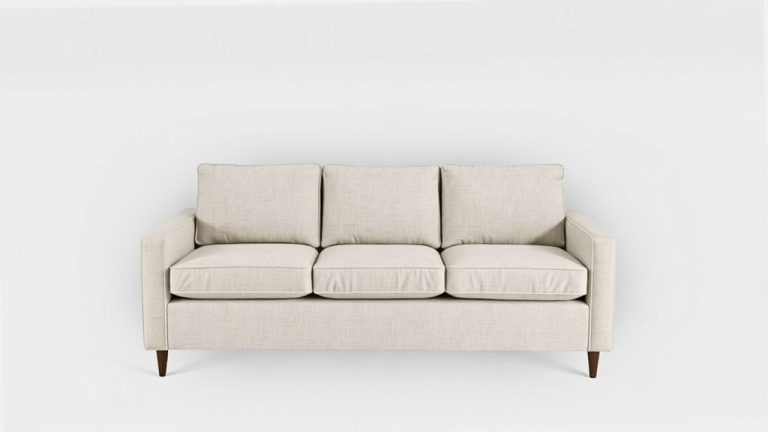
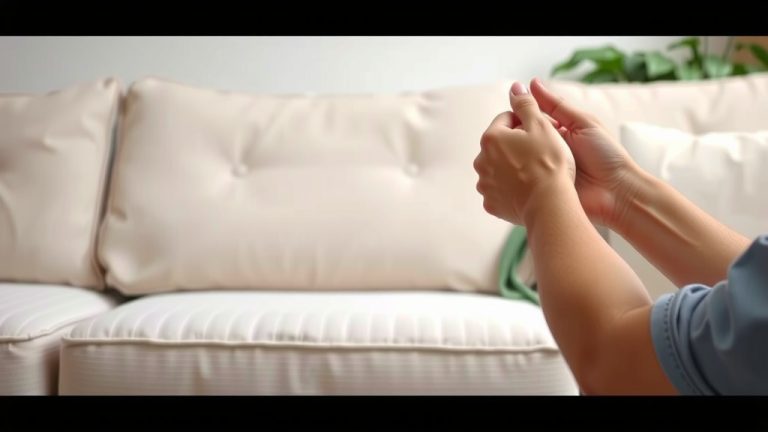
How to Clean a Beige Fabric Sofa Without Damaging It
The easiest way to clean a beige fabric sofa is to vacuum it thoroughly, spot-treat stains with a mild dish soap solution, and let it air dry. Beige shows every crumb, smudge, and mystery mark, so quick spot cleaning matters more than deep scrubbing. The good news? You don’t need fancy products to keep it looking fresh. Our guide to cleaning sofa fabric step by step walks through each of these stages in more detail.
Before you start, check your sofa’s care tag. Many experts say the cleaning code on that tag (W, S, WS, or X) tells you which cleaners are safe. We researched the most common methods and found that gentle, regular cleaning beats aggressive scrubbing every time — bleach and harsh chemicals can leave yellow patches on light fabric.
Here’s the quick version before we get into the details:
- Vacuum first to remove dust, crumbs, and pet hair.
- Blot spills fast — rubbing pushes stains deeper.
- Use dish soap and warm water for most water-safe fabrics.
- Avoid bleach and harsh chemicals on beige fabric.
- Vacuum weekly to keep that fresh, clean look.
Below, we break down everything you need to know about cleaning your beige fabric sofa, step by step. Grab a bowl, a soft cloth, and let’s bring that sofa back to life.
Cleaning a Beige Fabric Sofa Without Ruining It
Beige fabric looks amazing — right up until life happens. Coffee drips, dog paws, and mystery smudges show up fast on light colors. The trick is to work gently and work often, not to attack the fabric like it owes you money.
Many cleaning guides agree that light-colored upholstery does best with mild solutions and quick action (Mayo Clinic). Below, we walk you through each step, from reading that care tag to keeping your sofa fresh long-term.
Start With the Care Tag (W, S, WS, or X)
Flip a cushion or check under the frame. You’ll see a tag with a letter code. That little letter decides everything, so don’t skip it.
- W — Water-based cleaners are safe. Most beige sofas fall here.
- S — Solvent only. No water. Use a dry-cleaning solvent in a ventilated room.
- WS — Either water or solvent works.
- X — Vacuum only. No liquids at all. Sorry.
No tag? Test any cleaner on a hidden spot first, like the back edge near the floor. Wait 24 hours. If the color holds, you’re good to go.
What You’ll Need Before You Start
We found that a simple kit beats a shopping spree. You probably own most of this already.
- Vacuum with an upholstery brush attachment
- Mild dish soap (clear, not dyed)
- Two or three white microfiber cloths
- A spray bottle with warm water
- Baking soda for odors
- A small soft brush, like a baby toothbrush
White cloths matter more than you’d think. Dyed towels can bleed color onto beige — a nightmare we wouldn’t wish on anyone.
Step-by-Step: Deep Cleaning Your Beige Sofa
Ready? Set aside about 30 minutes. Work top to bottom, left to right, so you don’t miss spots or clean the same cushion twice.
Step 1: Vacuum Every Surface and Crevice
Vacuum cushions, arms, and the back first. Then slide cushions off and hit the base and seams. Crumbs love seams. So do pet hair and dust bunnies that look suspiciously like pets.
Use the brush attachment and go slow. A quick pass misses hair woven into the weave. If you have pets, a rubber glove rubbed over the fabric pulls hair right up.
Step 2: Blot Stains, Never Rub
For fresh spills, grab a dry cloth and blot immediately. Press straight down, lift straight up. Rubbing grinds the stain deeper and can rough up the fibers.
Blot from the outside of the stain toward the center. This keeps the stain from spreading into a bigger, sadder version of itself.
Step 3: Spot Clean With Dish Soap and Water
Mix two cups of warm water with a few drops of clear dish soap. Dip a white cloth, wring it well, and dab the stain. The cloth should be damp, not dripping.
How Long to Let It Sit
Give the solution about 5 to 10 minutes on stubborn marks. Then blot with a clean, damp cloth to rinse. Repeat if needed, but don’t soak the fabric. Over-wetting causes water rings on beige — those faint darker patches that are almost as annoying as the original stain.
Step 4: Deodorize With Baking Soda
Sprinkle a light layer of baking soda over the cushions. Let it sit for 15 to 20 minutes, then vacuum it up. It absorbs odors instead of masking them with perfume.
For general household odor removal, baking soda is a long-standing favorite (CDC cleaning guidance also stresses regular vacuuming and ventilation). Your nose will thank you.
Step 5: Let It Dry the Right Way
Air dry only. Point a fan at the sofa or open a window. Skip the hair dryer — heat can shrink fibers and set stains. If you’re unsure when it’s safe to sit again, our guide to sofa drying times explains what to expect.
Sitting on a damp sofa seems harmless. It isn’t. Body weight pushes moisture and residue deeper, and you end up with a faint dark spot shaped like you. We’ve been there.
Common Stains and What Actually Works
Different stains need different moves. Here’s a quick reference you can bookmark.
| Stain | First Move | Best Treatment |
|---|---|---|
| Coffee or tea | Blot right away | Dish soap solution, blot dry |
| Red wine | Blot, don’t panic | Dish soap, then dab diluted white vinegar |
| Grease or oil | Lift solids, blot | Solvent cleaner (S-tag sofas); dish soap for W-tag |
| Mud | Let it dry fully | Brush off, then vacuum, then spot clean |
| Pet accidents | Blot fast | Enzyme cleaner made for upholstery |
| Ink | Don’t rub | Dab lightly with rubbing alcohol on a cotton swab |
Mistakes That Age Your Beige Sofa Faster
Even careful people make these errors. A little awareness goes a long way.
- Using bleach — it can leave permanent yellow patches on light fabric.
- Over-wetting — soaked padding grows mold and mildew over time.
- Skipping the test spot — always check a hidden area first.
- Using dyed towels — color transfer is real and it’s ugly.
- Rubbing stains — blotting always wins.
Health experts warn that moisture trapped in upholstery can encourage mold growth, which is bad news for anyone with allergies (CDC). Keep it damp-light and dry-fast.
Weekly Habits That Keep Beige Looking New
Deep cleans matter, but small habits do the heavy lifting. Think of it like brushing your teeth versus a root canal.
- Vacuum the whole sofa once a week.
- Rotate and flip cushions so wear spreads evenly.
- Keep food and drinks off the sofa — we know, easier said than done.
- Open blinds carefully; years of direct sun can fade beige fabric.
- Wash throw blankets and pillow covers often, since they soak up grime.
When to Call a Professional Cleaner
Sofa not coming back? Some situations deserve expert hands. Call a pro if you see large stains, a lingering odor after cleaning, water damage, or an S or X care tag with heavy soiling.
Professional upholstery cleaning once a year or so is a common recommendation from manufacturers. It costs money, sure. But it’s cheaper than a new sofa.
Your Quick-Start Sofa Cleaning Checklist
Pin this one for the weekend:
- Check the care tag code (W, S, WS, X).
- Vacuum cushions, seams, and under cushions.
- Blot stains outward-in with a dry cloth.
- Spot clean with mild dish soap and warm water.
- Sprinkle baking soda, wait 20 minutes, vacuum.
- Air dry with a fan and stay off until fully dry.
That’s it. Fifteen quiet minutes a week keeps your beige sofa looking like the day it arrived — even with kids, pets, and that one friend who always brings salsa.
Conclusion
A beige sofa doesn’t ask for much — just consistency and a gentle touch. Check your care tag, vacuum weekly, blot spills the moment they happen, and lean on plain dish soap and water for most messes. Skip the bleach, keep moisture light, and let baking soda handle the smells. We found that these small, steady habits beat one big scrub-down every time. Your sofa is doing its job by looking good in your living room, so return the favor. This weekend, pull out the vacuum, check that tag, and give your beige sofa the 15 minutes it deserves.
Frequently Asked Questions
Can I use vinegar to clean my beige fabric sofa?
Yes, but dilute it first. Mix equal parts white vinegar and water, then dab lightly with a white cloth. Always test a hidden spot beforehand, since vinegar’s acidity can leave lighter patches on some fabrics.
How often should I deep clean a beige sofa?
For most households, a deep clean every 3 to 6 months works well. If you have kids, pets, or a lot of sofa traffic, aim for every 2 to 3 months. Weekly vacuuming in between keeps the deep cleans easier.
Why does my beige sofa have dark spots after cleaning?
That’s usually a water ring from over-wetting, or leftover soap residue that was never fully rinsed out. Blot the area again with a clean, damp cloth, then dry it quickly with a fan. Next time, use a barely damp cloth and rinse after cleaning.
Can I use a carpet cleaner or steam cleaner on a fabric sofa?
Only if your care tag says W or WS, and even then, use caution. Steam uses heat and moisture, which can shrink fibers or set stains on some fabrics. If you try it, keep passes light and let the sofa dry completely before use.
How do I keep my beige sofa from turning yellow over time?
Limit direct sunlight, since UV rays fade and yellow light fabric over the years. Avoid smoking near the sofa, and skip oily cleaners or body oils transferring from hands and hair. Regular vacuuming also removes dust that dulls the color.