
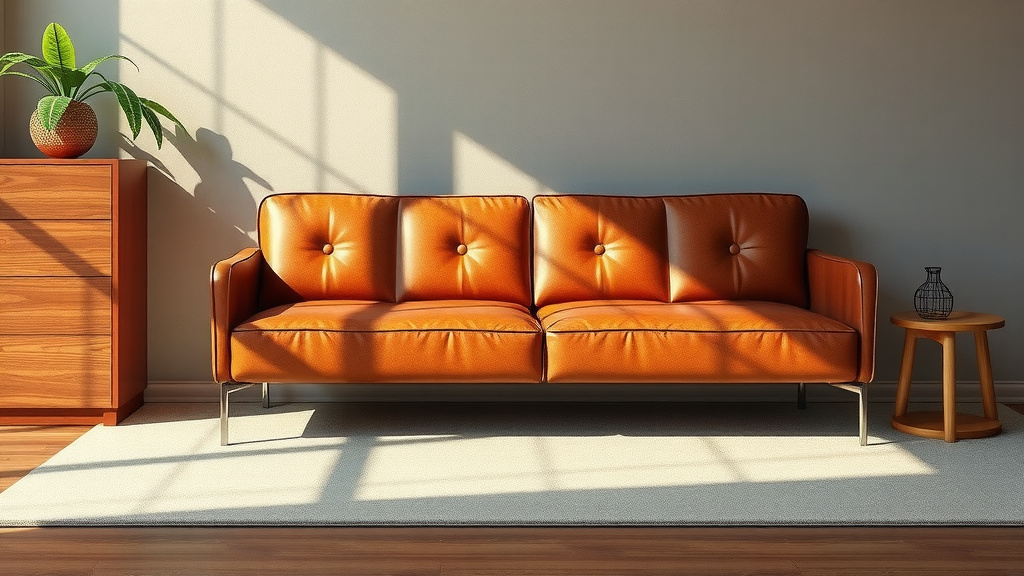
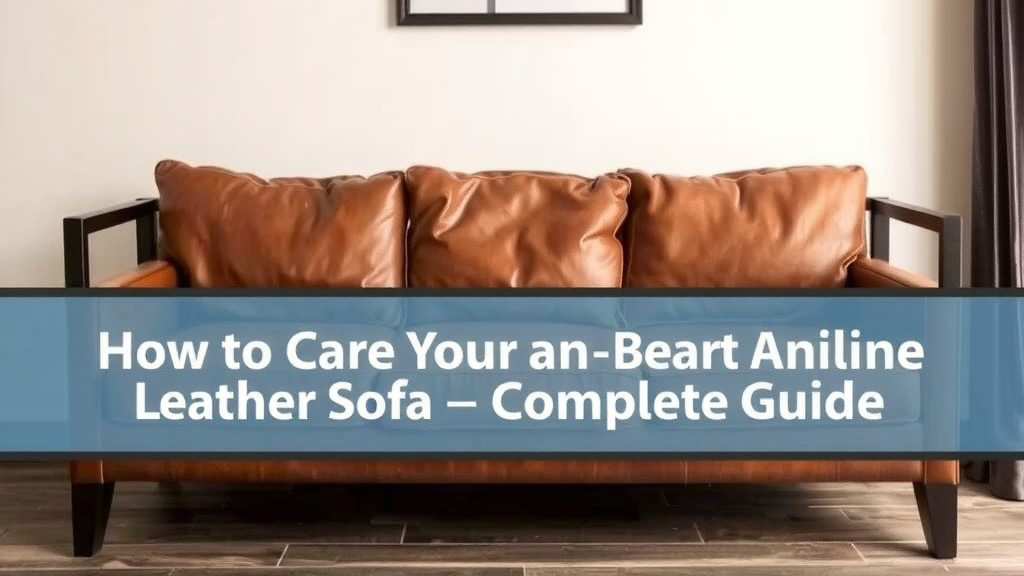
How to Care for an Aniline Leather Sofa: Complete Guide
The best way to care for an aniline leather sofa is to dust it weekly, condition it every 3 to 6 months, and clean spills the moment they happen. That’s it. Aniline leather is dyed all the way through but has no protective coating, so gentle, consistent care beats aggressive cleaning every time.
Here’s the thing you should know upfront: this leather is beautiful but delicate. It soaks up spills like a sponge and scratches easily. Many experts say it develops a gorgeous patina over time, but only if you treat it right. We researched what leather care pros recommend and found that a simple routine, done regularly, protects your investment better than any fancy product ever could.
- Dust your sofa weekly with a soft, dry cloth.
- Blot spills immediately, never rub or scrub.
- Condition the leather every 3 to 6 months with a pH-balanced conditioner.
- Keep it away from direct sunlight and heat vents.
- Never use harsh cleaners, baby wipes, or household sprays on it.
Below, we break down everything you need to know about caring for your aniline leather sofa, step by step. Your sofa will thank you.
Caring for Your Aniline Leather Sofa the Right Way
The secret to keeping aniline leather looking great is simple: gentle routines done often. Think of this leather like your skin. It has no protective coat, so it needs moisturizing and protection from the sun. Skip the harsh stuff and be consistent. That’s the whole game.
Below, we walk through each step. Dusting first, then conditioning, then damage control. We found that most sofa problems come from doing too much, not too little.
Your Weekly Dusting Routine
Dust might look harmless, but it acts like fine sandpaper on soft leather. Every time someone sits down, those tiny particles grind into the surface. A quick weekly wipe stops that before it starts.
How to Dust Without Damaging the Leather
Use a soft, dry microfiber cloth. Wipe in light, straight strokes, working with the grain of the leather. No water needed. No pressure either. Let the cloth do the work.
- Wipe cushions, arms, and the backrest every week.
- Get into creases and seams where dust loves to hide.
- Vacuum crevices with a soft brush attachment, never bare plastic.
- Flip and rotate cushions monthly so wear stays even.
What Never to Use on Aniline Leather
Here’s where people wreck beautiful sofas. Baby wipes, all-purpose sprays, vinegar, and armor-style leather “cleaners” can all stain aniline leather permanently. Because there’s no coating, anything you apply soaks straight in. One wrong wipe and you’re living with that spot for good. When routine dusting isn’t enough, our guide to deep cleaning a dirty leather sofa walks through the gentle process step by step.
Conditioning: The Step Most People Skip
Unprotected leather dries out like a grape turning into a raisin. Slow, but steady. Conditioning puts moisture back and keeps the leather from cracking. Many experts say this is the single most important thing you can do long-term.
How Often Should You Condition?
Every 3 to 6 months is the sweet spot for most homes. Dry climates or homes with wood stoves? Lean toward every 3 months. If your sofa sits in a humid basement apartment, every 6 is fine.
Not sure if it’s time? Press gently on the leather. If it feels stiff, looks dull, or shows fine wrinkles that stay put, it’s thirsty. Feed it.
Picking the Right Conditioner
Look for a pH-balanced conditioner made specifically for unfinished or aniline leather. The label should say so. If it doesn’t, ask before buying. Avoid anything with silicone or wax, since those can build up and block the leather’s natural breathability.
Quick Conditioning Walkthrough
- Vacuum and dust the sofa first so you’re not rubbing dirt in.
- Test the conditioner on a hidden spot, like under a cushion.
- Apply a small amount with a soft cloth, using circular motions.
- Work section by section so nothing dries unevenly.
- Let it absorb for the time listed on the bottle, then buff lightly.
Handling Spills and Stains Before They Set
Speed is everything. Aniline leather drinks liquid fast, so the clock starts the second that coffee leaves the mug. Blot immediately, and you’ll likely avoid a permanent mark.
The Right Way to Blot a Spill
Grab a clean, dry cloth and press down. Don’t wipe, don’t scrub. Wiping smears the liquid and pushes it deeper into the grain. Blotting lifts it out. It’s the difference between a near-miss and a memory.
Common Spills, Ranked by Panic Level
| Spill | What to Do | How Worried? |
|---|---|---|
| Water | Blot dry, let it air out | Low |
| Oil or butter | Blot, sprinkle cornstarch, wait 2 hours, brush off | Medium |
| Red wine or juice | Blot fast, dab with barely damp cloth | High |
| Ink | Call a leather pro, don’t DIY | Call for backup |
When to Call a Professional
Ink, blood, pet accidents, and old set-in stains are pro territory. Home remedies often make aniline stains worse and permanent. A leather specialist costs less than a new sofa, every time. We found that most DIY stain horror stories start with someone trying laundry detergent on untreated leather. Please don’t be that person.
Protecting Your Sofa From Sun, Heat, and Scratches
Placement matters more than people think. UV light fades and dries leather, and heat vents pull moisture right out of it. Mayo Clinic notes that indoor air from heating systems tends to be dry, which is rough on leather (and your skin, honestly).
Smart Placement Tips
- Keep the sofa out of direct sunlight, or add UV-filtering window film.
- Stay at least a foot away from radiators and heat vents.
- Use a humidifier in winter to keep indoor air from getting too dry.
- Keep pet nails trimmed and skip sharp belt buckles on the cushions.
Some scratches can be gently massaged out with clean fingertips, since the warmth helps the fibers settle. Deep gouges? That’s another job for a pro.
Your Monthly Aniline Leather Checklist
Print this out or screenshot it. Six quick checks keep your sofa in top shape without eating your weekend.
- Dust the whole sofa with a dry microfiber cloth.
- Rotate and flip the cushions for even wear.
- Vacuum seams and crevices with a brush attachment.
- Do the press test to check for dryness.
- Scan for new scratches or stains while they’re fresh.
- Check room humidity if your air feels dry.
Common Mistakes That Shorten a Sofa’s Life
We’d be doing you a disservice if we skipped the fails. Avoid these and you’re already ahead of most owners:
- Using saddle soap or household cleaners meant for finished leather.
- Conditioning with random oils, like olive or coconut oil from the kitchen.
- Letting spills sit overnight because “it’ll probably dry fine.” It won’t.
- Parking the sofa in front of a sunny window.
- Scrubbing stains hard enough to push them deeper.
One more thing worth knowing: aniline leather marks easily, and that’s partly by design. Many experts say those soft marks and shading changes build the patina that makes this leather so loved. You’re not ruining it. You’re giving it character, as long as you follow the basics above.
Conclusion
Caring for an aniline leather sofa comes down to a few habits that take minutes, not hours. Dust it weekly with a dry microfiber cloth. Blot spills the second they happen. Condition every 3 to 6 months with a pH-balanced product. Keep it out of the sun and away from heat vents. And when a stain looks serious, call a leather professional instead of experimenting.
We found that the owners with stunning, decades-old sofas aren’t using magic products. They’re just consistent with the basics. So here’s your next step: check your calendar right now and set a recurring reminder to condition your sofa. Your future self will thank you every time you sink into that soft, glowing leather.
Frequently Asked Questions
Is an aniline leather sofa worth the extra care?
That depends on what you want from a sofa. If you love natural texture and a rich, evolving patina, aniline is hard to beat. If you want a sofa that always looks factory-new with minimal effort, a protected or semi-aniline leather will make you happier. We found that people who choose aniline with open eyes tend to love it long-term.
How long does an aniline leather sofa usually last?
With regular dusting and conditioning, many aniline sofas last 15 to 25 years or more. The leather itself is durable; it’s neglect that shortens its life. Dryness, sun exposure, and ignored spills do far more damage than everyday sitting. Treat it like skin care, and it ages beautifully. For a broader picture across leather types, our guide to how long a leather sofa lasts covers the key lifespan factors.
Can I use leather wipes on an aniline leather sofa?
We’d steer you away from them. Most commercial wipes contain alcohol, detergents, or preservatives that soak straight into uncoated leather and leave dark spots. Since aniline has no protective finish, there’s no barrier to stop the damage. A dry microfiber cloth and a proper conditioner are all you need.
What’s the difference between caring for aniline and semi-aniline leather?
Semi-aniline leather has a light protective coating, so it shrugs off spills a bit better and tolerates gentle cleaning products. Aniline has no coating at all, which means every spill and product soaks in instantly. If you’re not sure which one you have, check the tag or blot a hidden spot with a damp cloth. Semi-aniline resists the water a little; aniline drinks it right up.
Is aniline leather a good choice for homes with kids or pets?
It can work, but go in with realistic expectations. Aniline scratches easily and marks from juice, crayons, and pet claws are hard to reverse. Many families actually embrace this, since the patina tells a story. If those marks would bother you, consider semi-aniline instead, or place strict rules about snacks and sharp objects on the cushions.