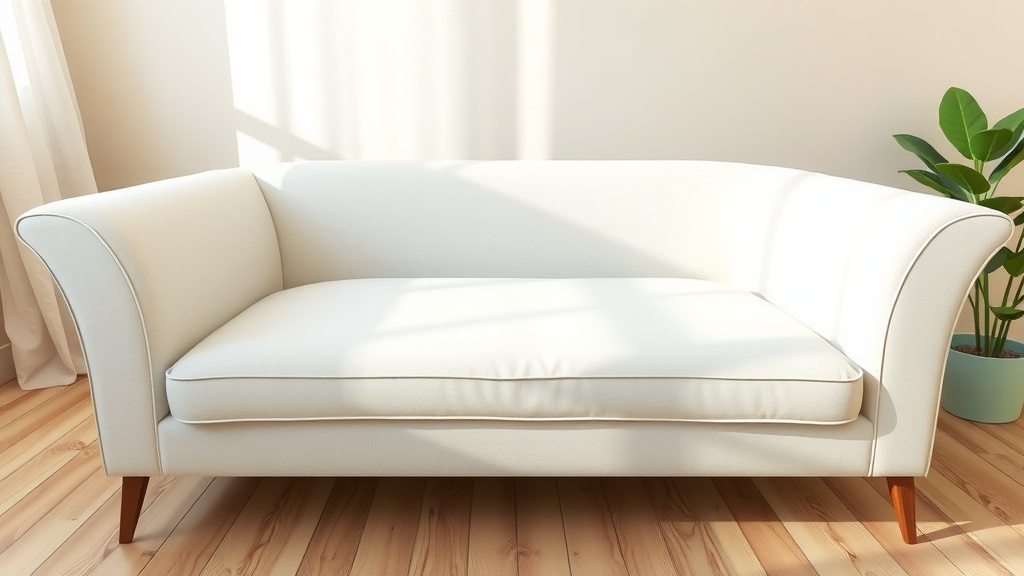
How to Clean a White Sofa at Home: Easy Step-by-Step Guide
The easiest way to clean a white sofa at home is to vacuum it first, spot-treat stains with a mix of mild dish soap and warm water, then blot gently with a clean cloth. Avoid soaking the fabric, since too much water can leave water marks or push stains deeper.
White sofas look amazing, but we all know they’re basically stain magnets. The good news? Most marks, spills, and everyday grime come out with items you already have in your kitchen. We researched the methods cleaning pros rely on and found that the trick is acting fast and using the right cleaner for your fabric type. Because yes, there’s a big difference between a cotton slipcover and a stain-resistant performance fabric.
Quick recap before we dive in:
- Vacuum the sofa first to remove dust, crumbs, and loose dirt.
- Blot spills right away — never rub, or the stain spreads.
- Use dish soap and warm water for most fabric stains.
- Always test any cleaner on a hidden spot first.
- Check the care tag to see what your sofa can handle.
Below, we walk you through every step of cleaning your white sofa, from everyday refreshes to those “oh no” stain moments.
Cleaning Your White Sofa the Right Way
The right way starts with knowing your fabric. Check the care tag under your cushions before anything touches the fabric. That little tag decides which cleaners are safe and which will ruin your sofa.
What Those Care Tag Codes Actually Mean
Furniture makers use letters instead of words. Here’s the cheat sheet we found most useful:
- W — water-based cleaners are safe. You’re in luck.
- S — use solvent-based cleaners only. Skip the water.
- WS — either type works. Nice flexibility.
- X — vacuum only. No liquids, period.
If your tag is missing, test any cleaner on a hidden spot first, like the back or under the skirt. Wait 24 hours. If the fabric looks fine, you’re good to go.
Supplies to Gather Before You Start
Nothing fancy here. Most of this is already in your kitchen:
- Soft-bristled brush or old toothbrush
- Clean white microfiber cloths
- Mild dish soap
- White vinegar
- Baking soda
- Vacuum with an upholstery attachment
One tip: use white cloths only. A dyed cloth can transfer color onto your sofa. Trust us, that’s a problem you don’t want to create while solving another one.
Step-by-Step: Deep Cleaning a White Fabric Sofa
Once your tag check is done and supplies are ready, it’s time for the actual cleaning. Work top to bottom, one section at a time.
Step 1: Vacuum Every Surface and Crevice
Start with the cushions, then hit the arms, back, and base. Use the crevice tool for seams and corners where crumbs hide. Skipping this step is like mopping a floor full of sand — you’ll just grind dirt deeper into the fibers.
Step 2: Mix Your Cleaning Solution
Add a few drops of dish soap to two cups of warm water. You want light suds, not a bubble bath. Too much soap leaves a sticky residue that actually attracts more dirt later.
Step 3: Spot-Clean Stains Gently
Dip a cloth in the solution and wring it out well. It should be damp, not dripping. Blot the stain, working from the outside in. Keep moving to a clean part of the cloth so you lift the stain instead of smearing it.
Step 4: Rinse and Blot Dry
Wipe the area with a cloth dampened in plain water to remove soap. Then press a dry towel on the spot to soak up moisture. Let it air dry fully before anyone sits down.
Removing Common Stains From White Sofas
Different stains need different treatments. Here’s a quick guide we put together based on widely used cleaning advice:
| Stain | Best Treatment |
|---|---|
| Coffee or tea | Dish soap and warm water, blot from edges inward |
| Red wine | Blot immediately, then dab with diluted white vinegar |
| Grease or oil | Sprinkle baking soda, wait 15 minutes, vacuum, then spot-clean |
| Ink | Light dab of rubbing alcohol on a cotton swab |
| Blood | Cold water only — heat sets the stain permanently |
| Pet accidents | Enzyme cleaner to remove odor at the source |
For grease stains, patience pays off. Many experts say baking soda absorbs the oil before any liquid cleaner touches it. Think of it as giving the stain a time-out before the main event.
What to Do About Yellowing
White fabric can yellow over time from body oils and sunlight. A light wipe with diluted white vinegar can help brighten the fabric. For older discoloration, repeated gentle cleanings work better than one aggressive scrub. Slow and steady wins the white sofa race.

Cleaning a White Leather Sofa
Leather needs a totally different game plan. Skip the dish soap bath. Instead, wipe the surface with a cloth lightly dampened with mild soapy water, then dry it right away. For a fuller walkthrough, our guide to deep cleaning a leather sofa covers every step.
Follow up with a leather conditioner to keep the surface from cracking. Dermatology sources note that skin and leather dry out similarly — both need moisture to stay supple (Cleveland Clinic). Bonus: leather resists stains better than fabric, so your white sofa choice may be smarter than you thought.
Keeping White Leather Bright
Dust leather weekly with a dry cloth. Wipe up spills within minutes. Sunlight fades and yellows leather too, so keep it away from direct sun when you can.
Keeping Your White Sofa Clean Longer
Cleaning less often sounds great, right? A few habits make that possible.
Your Weekly Maintenance Checklist
- Vacuum cushions and crevices once a week.
- Rotate and flip cushions to wear evenly.
- Blot any spill the moment you see it.
- Wash slipcovers monthly if yours are removable.
- Keep food and red drinks off the sofa (we know, easier said than done).
- Open windows or run a fan to keep moisture and odors down.
Regular vacuuming matters more than most people think. Dust buildup dulls white fabric faster than almost anything else. Many household cleaning guidelines recommend weekly vacuuming for upholstered furniture, and it also helps cut down on allergens like pet dander (NIH).
When to Call a Professional
Some jobs aren’t worth DIY risk. We found that pros are the safer bet for S-tag fabrics, set-in stains older than a week, or any sofa with foam padding that stays wet. Water trapped inside cushions can grow mold within a couple of days in humid conditions (CDC). If a stain costs $200 to remove professionally, but one wrong move ruins a $1,500 sofa, the math speaks for itself.
Conclusion
Keeping a white sofa clean doesn’t have to feel like a full-time job. You now know how to read your care tag, vacuum properly, mix a safe cleaning solution, and treat the most common stains with items already in your kitchen. You also know when to blot instead of rub, when to call in a pro, and how weekly habits keep white fabric from dulling or yellowing. The real secret is speed — the faster you act on a spill, the less chance it has to set. So grab your vacuum, flip those cushions, and do a quick check for any stains you’ve been ignoring. Your sofa will thank you, and you’ll stop treating white furniture like a risk you can’t afford.
Frequently Asked Questions
How often should I deep clean my white sofa?
We found that most homes do well with a deep clean every 3 to 6 months, paired with weekly vacuuming. If you have kids, pets, or light-colored guests who leave coffee rings, lean closer to every 3 months. Your sofa’s condition — not the calendar — should make the final call.
Can I use bleach on a white sofa?
We don’t recommend it. Bleach can weaken fibers, cause yellowing over time, and strip color from any patterned trim or piping. A gentle dish soap solution or diluted white vinegar handles most stains without risking permanent damage to the fabric.
Why did my white sofa turn yellow after cleaning?
Yellowing usually happens when soap residue is left behind or the fabric dried too slowly. Always follow your cleaning pass with a plain-water rinse, then blot with a dry towel and let it air dry with good airflow. A fan pointed at the sofa speeds things up.
Is a steam cleaner safe for white upholstery?
It depends on your care tag. Steam is generally safe for W and WS fabrics, but never use it on S or X tags, since heat and moisture can shrink or damage those materials. Even with a W tag, use steam sparingly and let the sofa dry completely afterward.
How do I get an old, set-in stain out of a white sofa?
Old stains need patience and repeated treatments, not one aggressive scrub. Blot the spot with your soap solution several times over a few days, letting it dry between rounds. If the stain still refuses to budge after two or three attempts, a professional cleaner is the safer bet for your sofa.